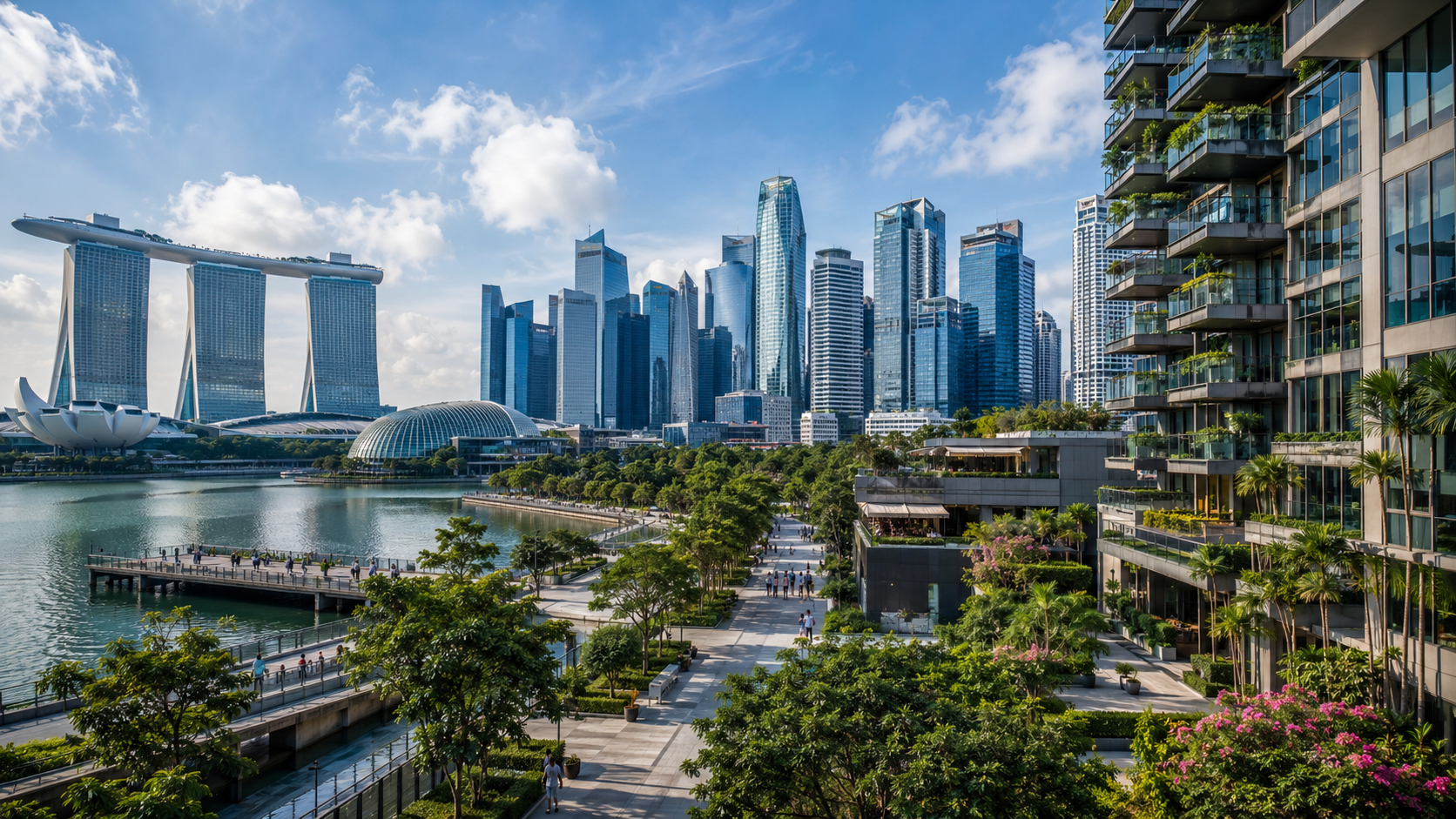
Singapore has long been recognized for its efforts to establish itself as a global hub for innovation and sustainability, and a significant part of this vision is its approach to urban infrastructure. Infrastructure companies in Singapore play a crucial role in transforming the city-state into a smart and sustainable urban environment. These companies are responsible for designing, developing, and maintaining the physical and technological frameworks that support Singapore’s ambitious goals for urban living.
The nation’s infrastructure sector focuses on addressing challenges related to rapid urbanization, climate change, and resource management. As one of the world’s most densely populated cities, Singapore faces the challenge of creating spaces that are both livable and resilient. This requires integrating smart technologies, green solutions, and efficient resource management practices.
Smart Technologies in Urban Infrastructure
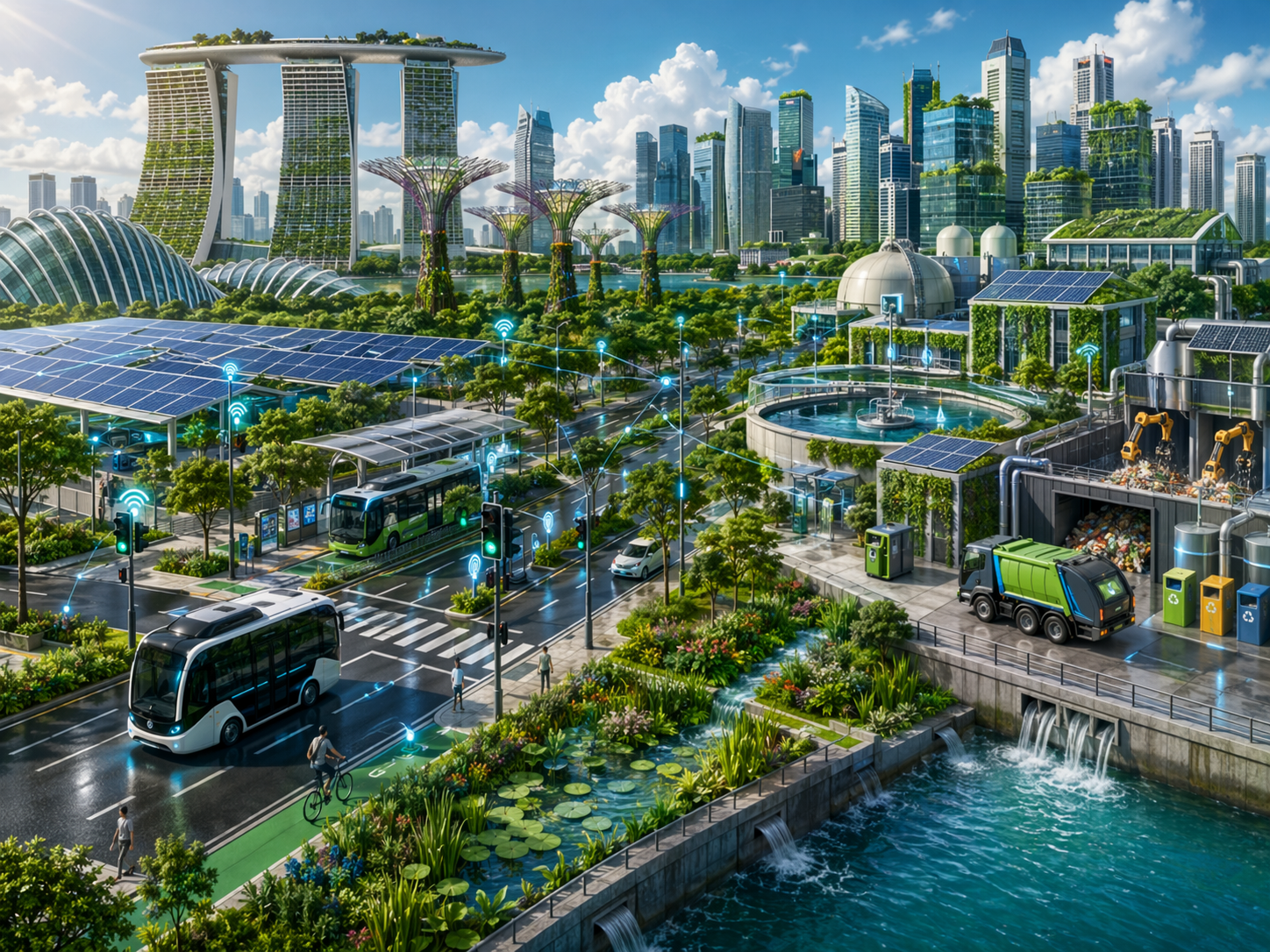
One of the key elements of Singapore’s infrastructure strategy is the integration of smart technologies. These technologies are embedded within various systems, from transportation networks to utilities and urban planning. For example, Singapore’s Smart Nation initiative is focused on incorporating Internet of Things (IoT) devices, data analytics, and artificial intelligence (AI) to enhance urban living. Smart sensors monitor air quality, traffic flow, and energy usage, enabling more efficient urban management.
Infrastructure companies are at the forefront of implementing these technologies. Firms like Singtel and ST Engineering have been instrumental in developing intelligent transport systems, such as the Autonomous Vehicles Test Bed, which seeks to reduce traffic congestion and improve mobility. Furthermore, smart buildings are increasingly becoming a norm, where technologies like energy-efficient lighting, automated climate control systems, and waste management are implemented to reduce environmental footprints.
Sustainable Building Practices and Green Design
In addition to smart technologies, sustainability is another crucial aspect of Singapore’s infrastructure development. The government has introduced initiatives like the Green Mark certification, which encourages sustainable building practices by rating buildings based on their environmental performance. Infrastructure companies are aligning their projects with these sustainability goals by integrating green building designs that prioritize energy efficiency, water conservation, and the use of sustainable materials.
A notable example of this is the Marina Bay Sands resort complex, which incorporates a range of sustainable features, such as solar panels and water recycling systems. Another example is the Jurong Lake District, which is being developed as Singapore’s first Eco-District. The district will feature green buildings, eco-friendly transport options, and systems to reduce energy consumption.
Water and Waste Management Solutions
Water scarcity and waste management are two critical concerns for Singapore. As a city with limited natural resources, Singapore has been a leader in innovative solutions for water conservation. Infrastructure companies in Singapore, in collaboration with the government, have developed cutting-edge water management technologies, including desalination plants and the NEWater initiative, which treats and recycles wastewater.
Additionally, waste management is a major component of Singapore’s urban sustainability efforts. The country has adopted a circular economy model where waste is minimized, recycled, and reused. Companies like SembWaste have contributed to this goal by introducing innovative waste management solutions such as smart bins that monitor waste levels and optimize collection schedules.
Resilience to Climate Change
With the global climate crisis becoming increasingly urgent, Singapore is committed to ensuring its infrastructure is resilient to climate change. Infrastructure companies are focusing on developing solutions to mitigate the impacts of rising sea levels, extreme weather events, and other climate-related challenges. The Singapore government has invested heavily in flood management infrastructure, including the Stamford Detention Tank, which is designed to manage stormwater and prevent flooding in low-lying areas.
Additionally, the city is developing green infrastructure, such as parks and green roofs, to combat the urban heat island effect and improve air quality. The integration of nature into urban spaces is not just an aesthetic consideration, but also an important strategy to enhance environmental sustainability and community well-being.
Singapore’s infrastructure companies are thus playing a vital role in the nation’s transformation into a smart, sustainable, and resilient city. Through the combination of innovative technologies, sustainable building practices, and a strong focus on environmental conservation, these companies are helping to create a model for the cities of the future.