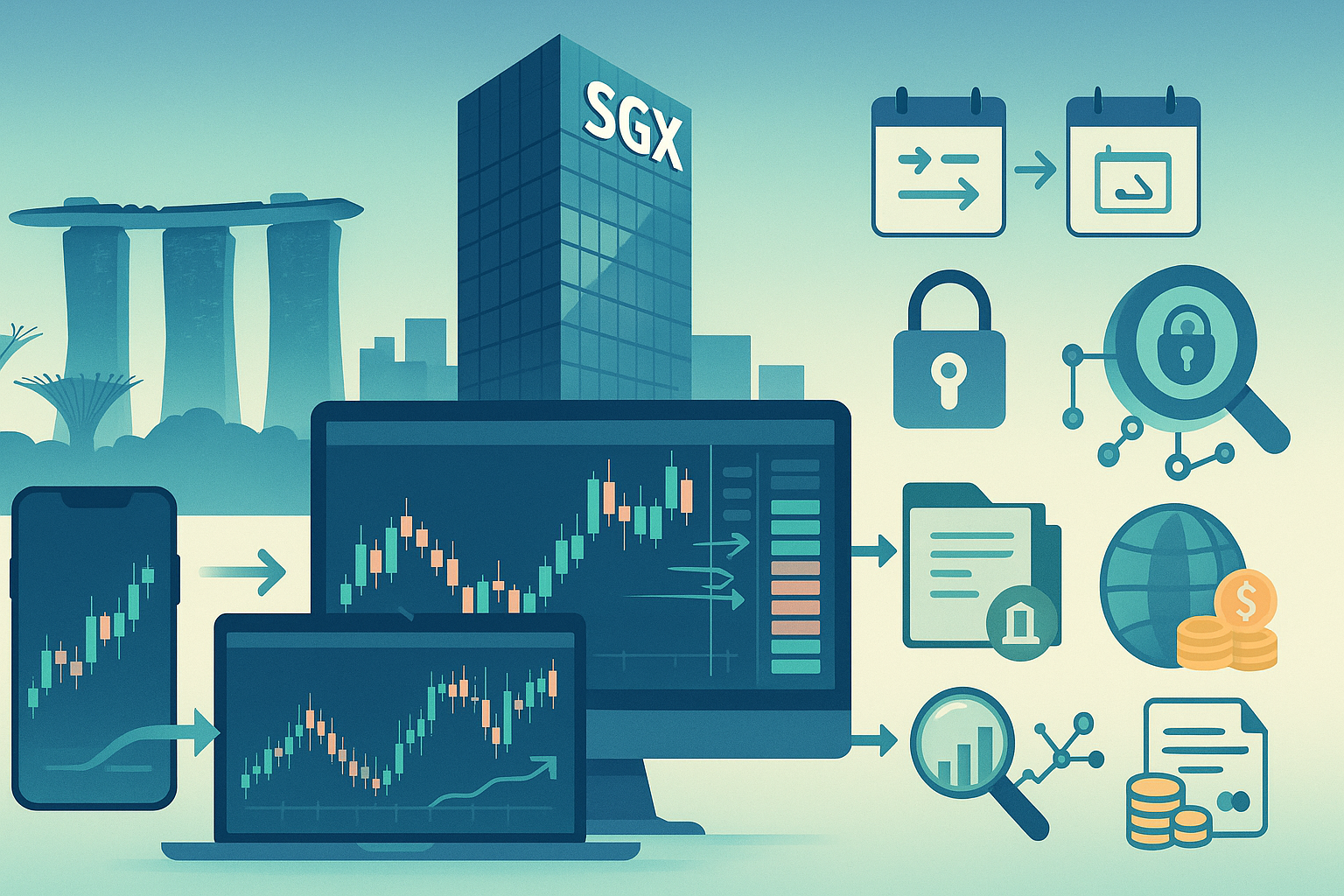
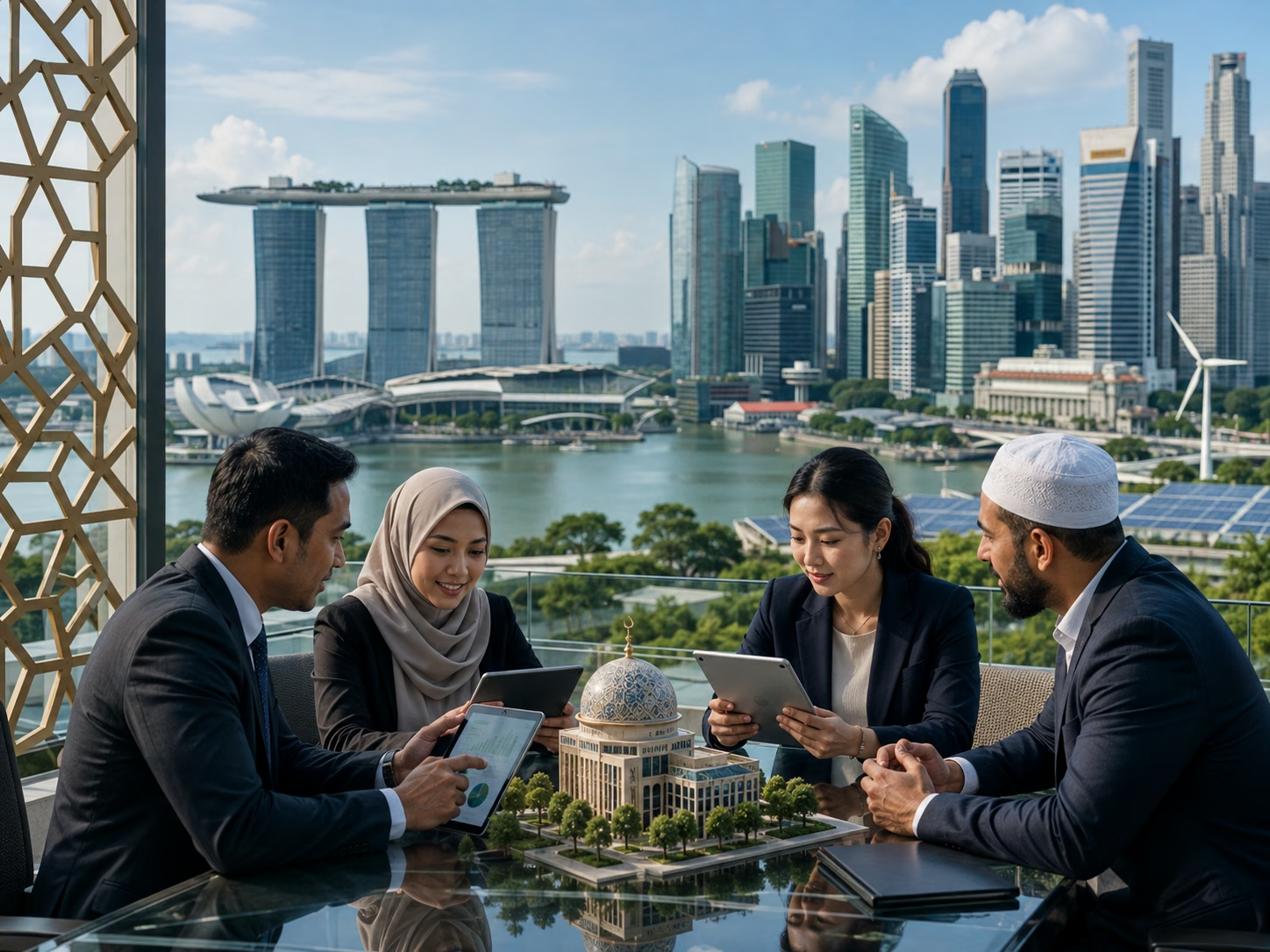
In the rapidly evolving landscape of global finance, Singapore has emerged not merely as a participant but as a formidable architect of Islamic capital markets. For investors seeking to align their financial objectives with ethical and religious principles, the Lion City offers a unique confluence of Western financial rigor and Eastern Shariah compliance. The strategic positioning of Singapore as a gateway to the ASEAN economic bloc provides a lucrative avenue for Halal portfolio diversification, moving beyond traditional oil-and-gas-centric Islamic investments into technology, REITs, and green energy.
The Regulatory Backbone and Sovereign Support
The foundation of Singapore’s success in this niche rests on a level playing field. The Monetary Authority of Singapore (MAS) has deliberately ensured that Shariah-compliant instruments face no additional tax burdens or regulatory disadvantages compared to conventional assets. This neutrality has encouraged a diverse range of issuers. A cornerstone of this market is the Singapore Government’s regular issuance of Sovereign Sukuk. Since the inaugural offering, these instruments have served as a benchmark yield curve, providing liquidity and pricing references for corporate issuers. This government-backed initiative signals a long-term commitment that resonates with institutional investors globally.
Beyond Traditional Assets: Real Estate and Green Finance
While Islamic banking remains a component, the true dynamism in Singapore lies within the capital markets—specifically Islamic Real Estate Investment Trusts (REITs) and Sustainable Finance. Singapore is home to several prominent Shariah-compliant REITs that own logistics hubs, data centers, and commercial properties across the region. These vehicles offer investors stable, asset-backed income streams that fit perfectly within the risk profiles of Halal portfolios. Furthermore, the intersection of Shariah principles—which emphasize stewardship of the earth—and ESG (Environmental, Social, and Governance) investing is creating a new class of Green Sukuk. These bonds finance renewable energy projects, aligning perfectly with the global push toward sustainability.
Fintech and Retail Accessibility
The democratization of Halal investing is arguably the most significant trend for 2026. Singapore’s fintech sandbox has cultivated a new generation of digital wealth managers offering micro-investing in Shariah-compliant equities. Platforms now allow retail investors to screen stocks for compliance with a simple swipe, removing the high barriers to entry that once restricted this market to high-net-worth individuals.
For a quantitative overview of the assets under management and the growth trajectory of this sector, the Monetary Authority of Singapore’s annual report on the asset management industry provides comprehensive data on Shariah-compliant funds domiciled in the country. This data confirms a steady upward trend in inflows from both the Middle East and Southeast Asia, validating Singapore’s model of financial integration.