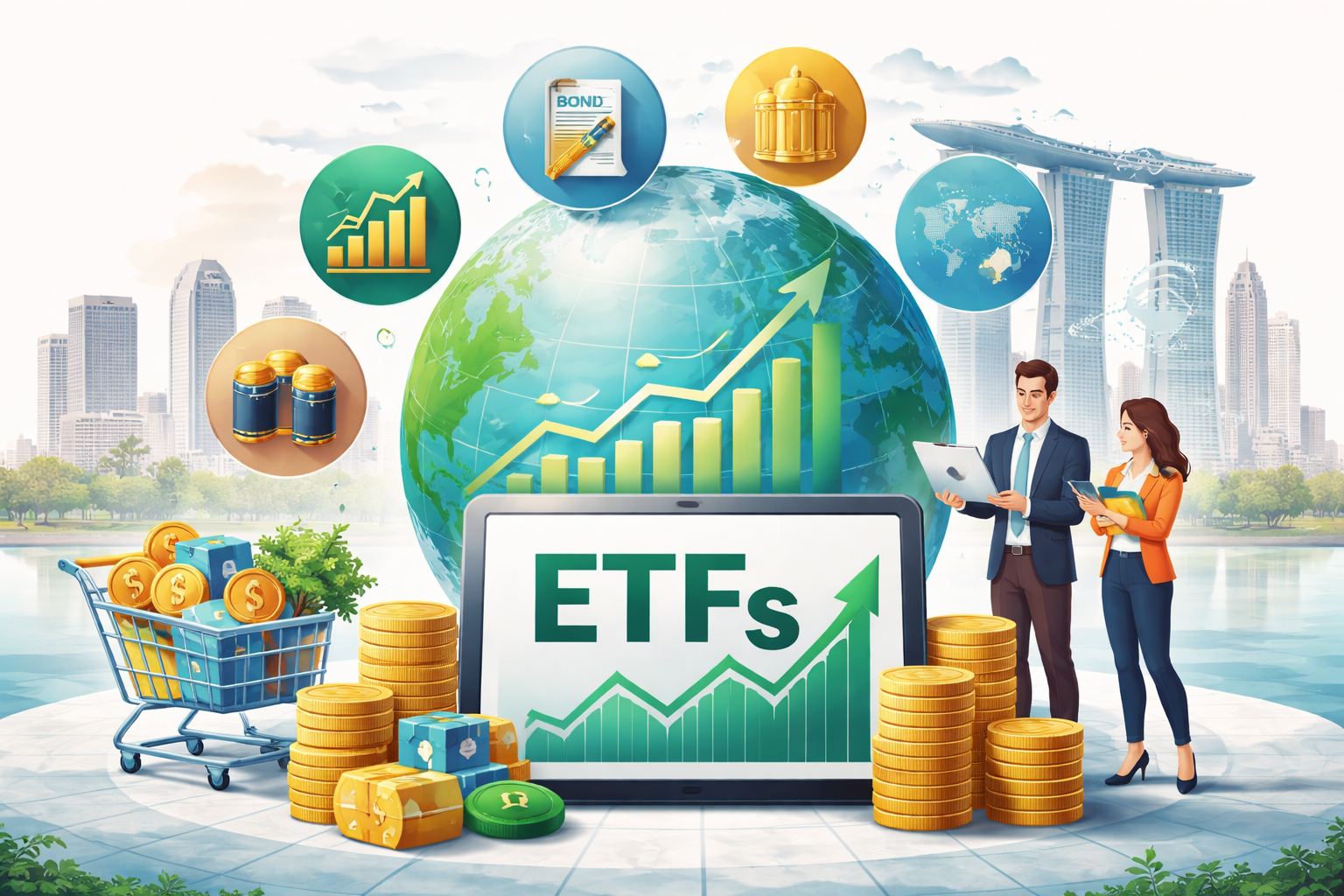
Exchange-Traded Funds (ETFs) have become increasingly popular among investors due to their ability to offer diversification, low costs, and ease of trading. In Singapore, ETFs are gaining traction as a preferred investment choice, especially for those looking to broaden their portfolio exposure. But why are ETFs particularly attractive in Singapore? Let’s explore the various benefits and key considerations for investors interested in ETFs in this dynamic financial hub.
One of the primary reasons for the popularity of ETFs in Singapore is their ability to provide diversification. Unlike investing in a single stock, which exposes investors to the performance of a single company, an ETF pools investments into a wide array of assets such as stocks, bonds, or commodities. This means that investors can gain exposure to multiple sectors and markets, reducing the risk of their portfolio.
For example, the Straits Times Index (STI) ETF, one of the most popular ETFs in Singapore, offers exposure to the top 30 companies listed on the Singapore Exchange (SGX). This gives investors the opportunity to invest in Singapore’s leading businesses without having to pick individual stocks. Additionally, international ETFs, such as those tracking the S&P 500 or emerging markets, allow Singaporean investors to diversify beyond their home market and tap into global growth opportunities.
Another reason for the growing adoption of ETFs in Singapore is their cost-effectiveness. Compared to mutual funds, which typically charge higher management fees, ETFs generally have lower expense ratios. This is particularly appealing to long-term investors who wish to maximize returns without incurring hefty management fees. With the rise of online brokerage platforms in Singapore, investors can also enjoy low or no trading commissions, further reducing the cost of investing in ETFs.
Liquidity is another advantage of ETFs. Unlike mutual funds, which are traded only once a day at the net asset value (NAV), ETFs are traded on the stock exchange throughout the day, similar to stocks. This provides investors with the flexibility to buy or sell their ETF shares at any time during market hours, making it easier to react to market movements.
Moreover, Singapore is a financial hub with a stable regulatory environment that supports a wide range of investment products, including ETFs. The Monetary Authority of Singapore (MAS) has set a solid framework for investor protection, ensuring that ETFs listed on the SGX adhere to strict regulatory standards. This makes it easier for investors to trust that the ETFs they are buying are safe and transparent.
However, there are certain factors to consider before investing in ETFs in Singapore. While ETFs offer diversification, it’s important for investors to carefully assess the underlying assets of the ETF to ensure they align with their investment goals and risk tolerance. Some ETFs may be concentrated in specific sectors or regions, which could expose investors to concentrated risks.
Additionally, investors should also be aware of the currency risk involved, particularly when investing in international ETFs. Fluctuations in exchange rates between the Singapore dollar and foreign currencies can impact the returns of overseas ETFs.
ETFs in Singapore provide an excellent option for investors looking to diversify their portfolios with low-cost, liquid, and diversified investment vehicles. They offer an easy entry point into both local and global markets, making them a smart choice for both novice and experienced investors. With the right research and understanding, ETFs can help create a well-balanced and diversified investment portfolio.