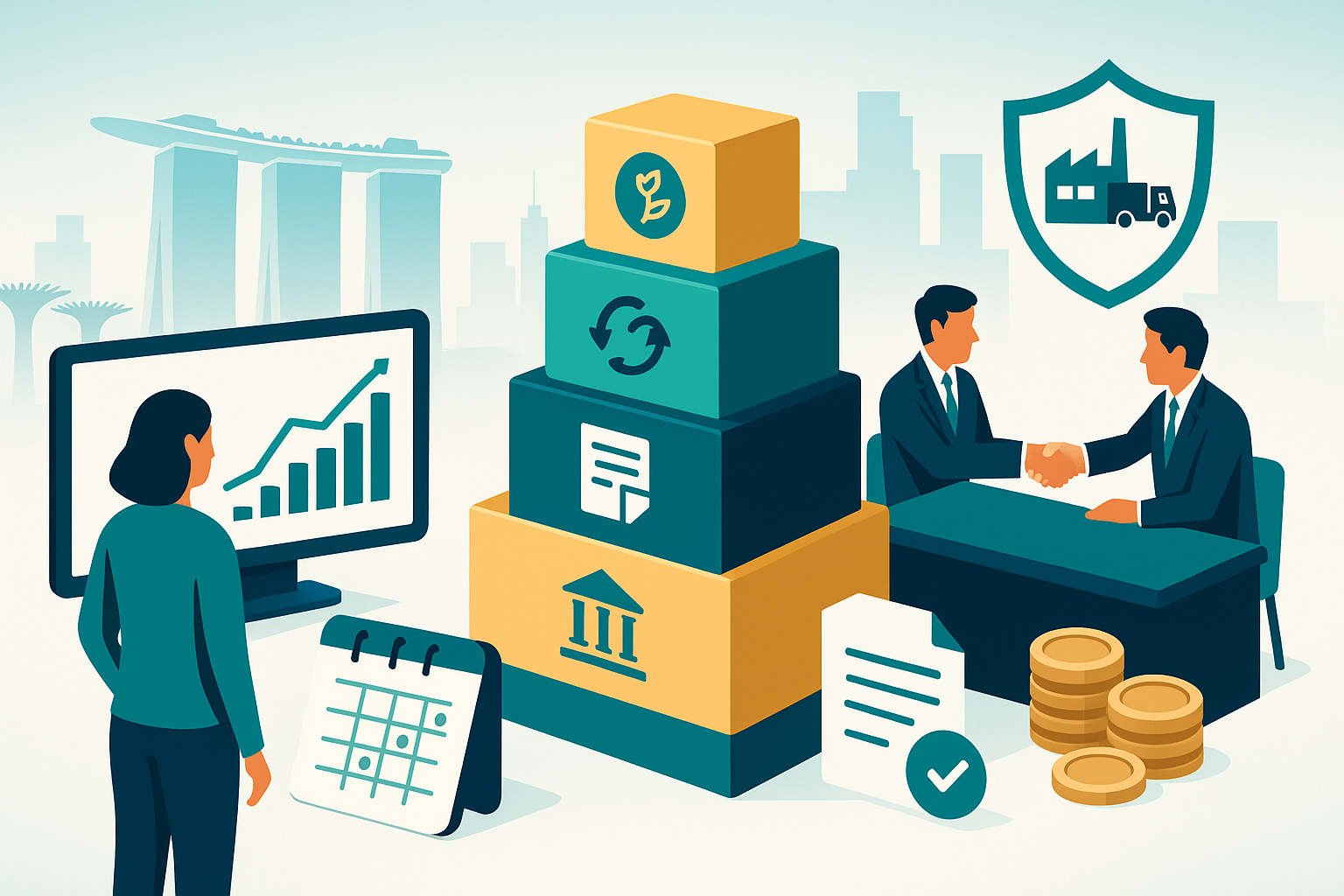
Sustainability has become a vital factor for businesses worldwide, especially for small and medium-sized enterprises (SMEs). In Singapore, where the government has been pushing for greener practices, SMEs are increasingly adopting green business strategies. These practices not only help in protecting the environment but also lead to cost savings, improve brand reputation, and align with the growing demand for environmentally responsible products and services.
Understanding Green Business Practices in Singapore
Green business practices refer to actions that minimize the negative environmental impact of business operations. In Singapore, these practices are supported by the government through various initiatives aimed at promoting sustainability. These include programs like the Singapore Green Building Council (SGBC) and the Green Mark certification, which encourage businesses to improve energy efficiency and reduce waste. Small and medium-sized enterprises, in particular, are leveraging these initiatives to foster sustainable growth while balancing profitability.
Energy Efficiency and Waste Reduction
One of the most popular green business practices among SMEs in Singapore is the adoption of energy-efficient technologies. Businesses are investing in energy-saving equipment, such as LED lighting, high-efficiency air conditioning systems, and energy management systems to reduce electricity consumption. This move not only contributes to lowering the carbon footprint but also leads to significant cost reductions in the long term.
Furthermore, many SMEs are focusing on waste management and recycling. Reducing waste through optimized production processes and adopting a circular economy model—where products are reused, repaired, or recycled—is becoming more common. These efforts are not only eco-friendly but also help businesses lower disposal costs and attract environmentally-conscious consumers.
Sustainable Supply Chain Management
SMEs in Singapore are also focusing on making their supply chains more sustainable. This involves selecting suppliers and partners who follow environmentally responsible practices. By doing so, businesses ensure that sustainability is maintained across their entire value chain. For instance, eco-friendly packaging, sourcing raw materials from sustainable sources, and collaborating with carbon-neutral transportation providers are just a few ways that SMEs are reducing their environmental impact.
Financial Incentives and Support for Green Practices
The Singaporean government provides a range of financial incentives and grants to encourage SMEs to adopt green business practices. For example, the Energy Efficiency Fund and the Green Tech Fund offer financial support for companies investing in energy-saving technologies. These funds have made it easier for SMEs, regardless of their size, to implement sustainable initiatives that would otherwise be financially challenging.
Environmental Certifications and Consumer Expectations
In an increasingly eco-conscious market, many SMEs are seeking environmental certifications to improve their credibility and appeal to environmentally-conscious customers. Certifications such as the ISO 14001 environmental management system or the Singapore Green Label add credibility to a company’s green credentials, giving them a competitive edge. More importantly, consumers are now looking for businesses that reflect their values, with many willing to pay a premium for products and services that are sustainably sourced or manufactured.
Collaborative Initiatives and Innovation
Collaboration is another key aspect of enhancing sustainability in SMEs. Companies are collaborating with industry associations, government agencies, and research institutions to share best practices, access new technologies, and innovate solutions that benefit both the environment and business profitability. For instance, the National Environment Agency (NEA) partners with businesses to promote sustainability through educational programs and events like the Singapore Green Building Week, where businesses can learn about the latest green technologies and practices.
Challenges and Future Outlook
While many SMEs in Singapore are making strides towards sustainability, challenges remain. The cost of transitioning to greener practices can be a significant barrier, especially for small businesses with limited resources. Moreover, the fast-paced nature of technological change means that businesses must constantly adapt to new green innovations.
However, the future looks promising. As sustainability continues to play a critical role in global business, SMEs in Singapore are poised to embrace green practices not only as a trend but as a long-term strategy for success. With the right support from the government and private sector, these businesses can continue to thrive while contributing to a sustainable future.