
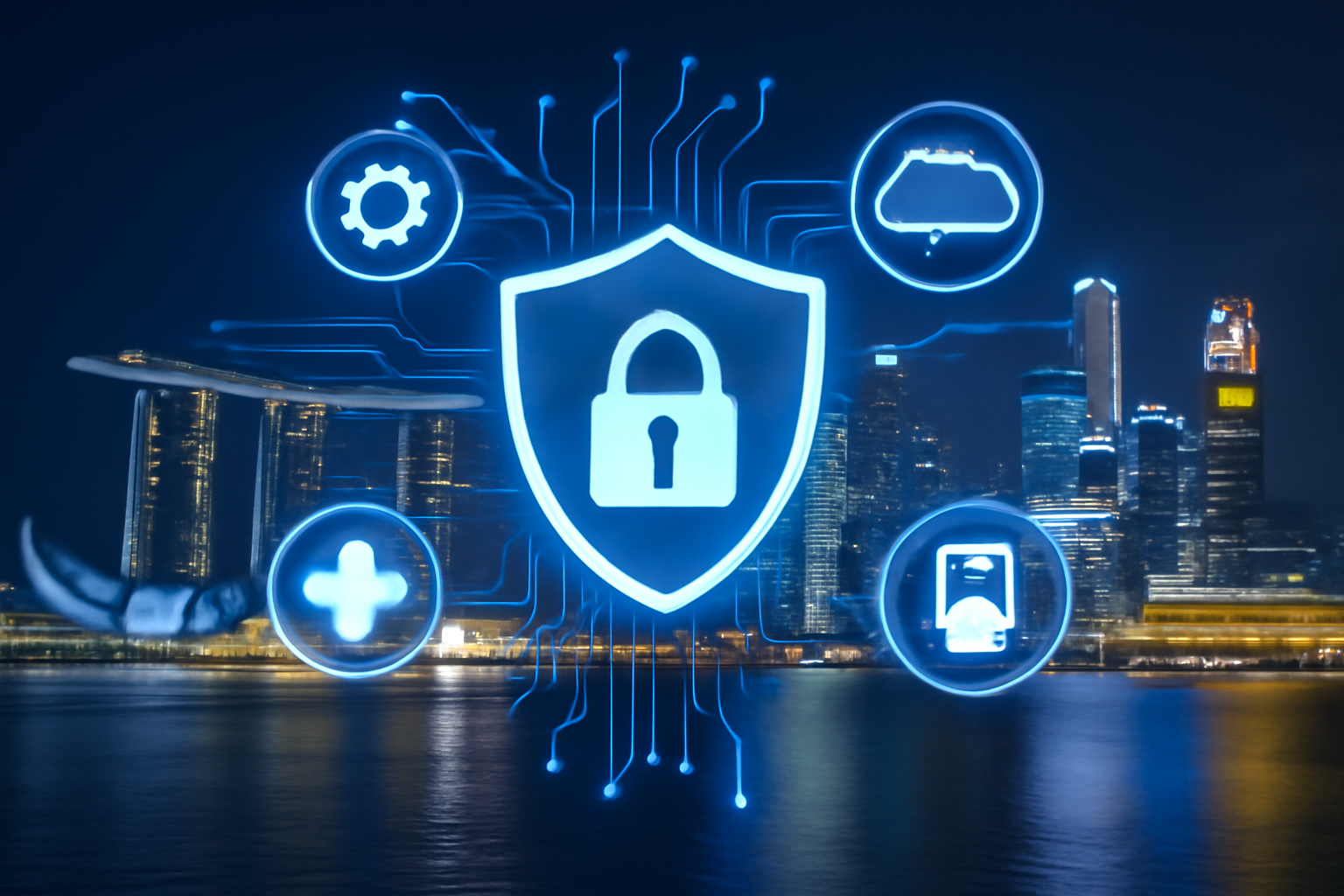
Singapore has emerged as one of the world’s leading hubs for business and technology. As the city-state increasingly integrates digital solutions into every aspect of its economy and daily life, the need for robust cybersecurity measures has become more critical than ever. With threats evolving in sophistication, Singapore’s cybersecurity industry is rising to the challenge to protect its digital infrastructure, businesses, and citizens.
The nation’s strong emphasis on cybersecurity began with the formation of the Cyber Security Agency (CSA) in 2015, which has since guided the country’s cybersecurity strategy. The CSA’s primary goal is to ensure a secure cyberspace for Singapore, fostering the growth of a thriving digital economy while safeguarding sensitive data. The establishment of the CSA reflects Singapore’s proactive approach toward digital security, providing a framework that includes national cybersecurity strategies and guidelines for businesses.
In recent years, the growing reliance on the internet of things (IoT), cloud computing, and artificial intelligence (AI) in Singapore’s business sector has expanded the threat surface, exposing vulnerabilities that cybercriminals can exploit. Ransomware attacks, data breaches, and phishing schemes are on the rise, targeting both private enterprises and government entities. Consequently, companies across various sectors are increasing their cybersecurity investments to mitigate these risks and maintain operational continuity.
The government has initiated several programs to foster a culture of cybersecurity awareness, such as the National Cybersecurity Awareness Campaign. These programs aim to educate the public and organizations about the importance of secure online practices and promote better risk management strategies. Additionally, Singapore’s Smart Nation initiative has integrated cybersecurity into the core of its digital transformation agenda, recognizing that security is essential to building trust in digital services and solutions.
The cybersecurity sector in Singapore is also thriving from a business perspective. The country has attracted numerous global cybersecurity companies to set up their regional headquarters, leveraging the government’s strong regulatory framework and well-developed infrastructure. These companies offer a wide range of cybersecurity services, from threat detection and response to digital forensics and vulnerability assessments, ensuring businesses can stay ahead of emerging threats.
Moreover, the Singaporean government has invested heavily in developing a skilled cybersecurity workforce. This is especially important, as the growing demand for cybersecurity experts outpaces the supply in the country. Initiatives like the Cybersecurity Talent Scheme aim to address this talent gap by offering scholarships and training programs for aspiring cybersecurity professionals. These efforts aim to ensure Singapore remains at the forefront of cybersecurity innovation and capability.
In addition to safeguarding businesses and critical infrastructure, Singapore’s cybersecurity framework is also focused on ensuring individual privacy and data protection. The Personal Data Protection Act (PDPA) is a key component of this framework, establishing regulations to protect personal data and enhance trust in digital transactions. These policies play an important role in assuring both businesses and consumers that Singapore’s digital ecosystem is safe, secure, and resilient.
With the rise of cyber threats, Singapore is becoming a global leader in cybersecurity, creating a safe and secure environment for both businesses and citizens. As digital technologies continue to evolve, the nation’s cybersecurity industry will undoubtedly play a vital role in shaping the future of its digital economy.