
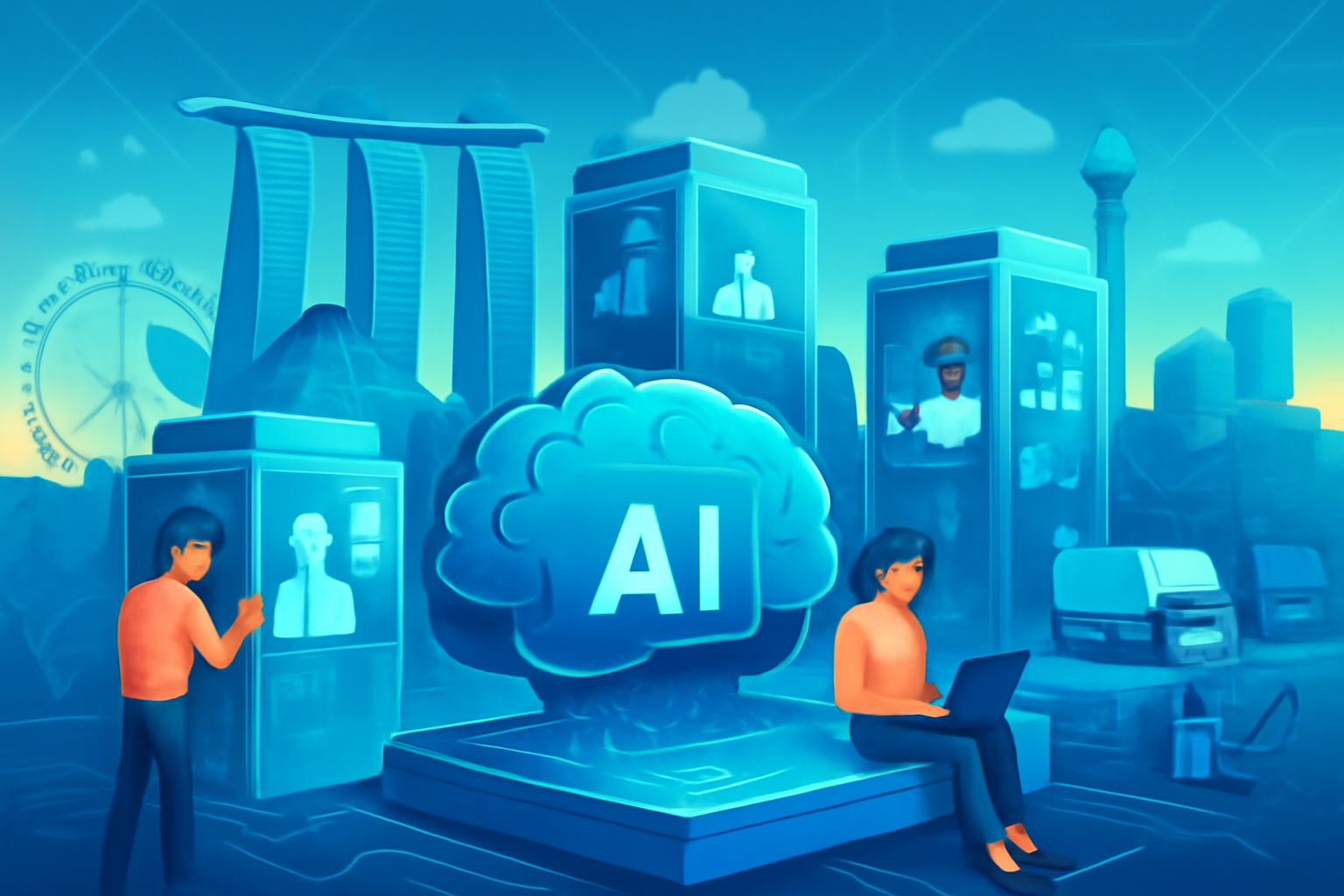
In recent years, Singapore has become a hub for innovation, particularly in the field of artificial intelligence (AI). The country’s strategic location, robust infrastructure, and government support have enabled the growth of numerous AI startups. These startups are tapping into a vast range of industries, including finance, healthcare, logistics, and retail, driving transformative changes. However, while there are ample opportunities for growth, AI startups in Singapore also face several challenges that require careful navigation.
Opportunities in AI Startups
The government of Singapore has played a crucial role in fostering the AI ecosystem. The Smart Nation Initiative, launched in 2014, aims to transform Singapore into a global leader in digital innovation by leveraging AI, big data, and other emerging technologies. To support this, the government has invested heavily in AI research and development, as well as in creating an AI-ready workforce. Several initiatives, such as AI Singapore, are providing funding, mentorship, and collaboration opportunities for startups, making the country an attractive environment for budding entrepreneurs.
The financial sector in Singapore is one of the key drivers of AI adoption. AI-powered solutions, such as robo-advisors, fraud detection systems, and algorithmic trading, are gaining traction within the industry. AI startups have the opportunity to collaborate with major banks and financial institutions, opening up avenues for growth. Moreover, AI’s potential to revolutionize industries like healthcare is becoming increasingly evident. Startups are leveraging machine learning and data analytics to develop innovative solutions, such as predictive healthcare tools, personalized treatment plans, and efficient diagnostic systems.
The logistics sector, too, has become a significant beneficiary of AI technology. Singapore’s strategic location as a global logistics hub means there is substantial demand for AI-powered solutions in supply chain optimization, warehouse automation, and last-mile delivery. AI startups focusing on these areas are finding ample opportunities for innovation and collaboration with established players in the logistics industry.
Challenges Faced by AI Startups
While the opportunities are plentiful, AI startups in Singapore face several hurdles. One of the primary challenges is the shortage of skilled talent. AI and machine learning require specialized knowledge, and although Singapore has made strides in education and training, the demand for highly skilled professionals often exceeds supply. Startups may find it difficult to recruit the necessary talent, which can limit their ability to scale quickly and develop cutting-edge products.
Data privacy and ethical concerns surrounding AI are also significant challenges. As AI systems rely heavily on large datasets, there is a growing concern about how this data is collected, stored, and used. The implementation of stringent regulations, such as the Personal Data Protection Act (PDPA), ensures that startups are held accountable for the protection of user data. However, navigating these legal frameworks can be complex for young companies, particularly when scaling internationally.
Another challenge is securing funding. While there is an abundance of venture capital available in Singapore, competition is fierce, and AI startups need to demonstrate not only the technical feasibility of their products but also their potential for commercial success. Investors are looking for startups with strong business models and clear paths to profitability, which can be difficult for early-stage AI companies.
The Road Ahead
Despite the challenges, the future of AI startups in Singapore looks promising. The government’s ongoing commitment to supporting innovation, the country’s strong digital infrastructure, and the growing appetite for AI solutions across various industries provide a solid foundation for continued growth. AI startups that can effectively address issues related to talent acquisition, data privacy, and funding will likely find themselves well-positioned to thrive in this dynamic market.
Singapore’s AI ecosystem is set to evolve rapidly, and the opportunities for entrepreneurs and startups to innovate and disrupt traditional industries are vast. As AI continues to make its mark across industries, Singapore will undoubtedly remain a key player in shaping the future of AI-driven innovation.