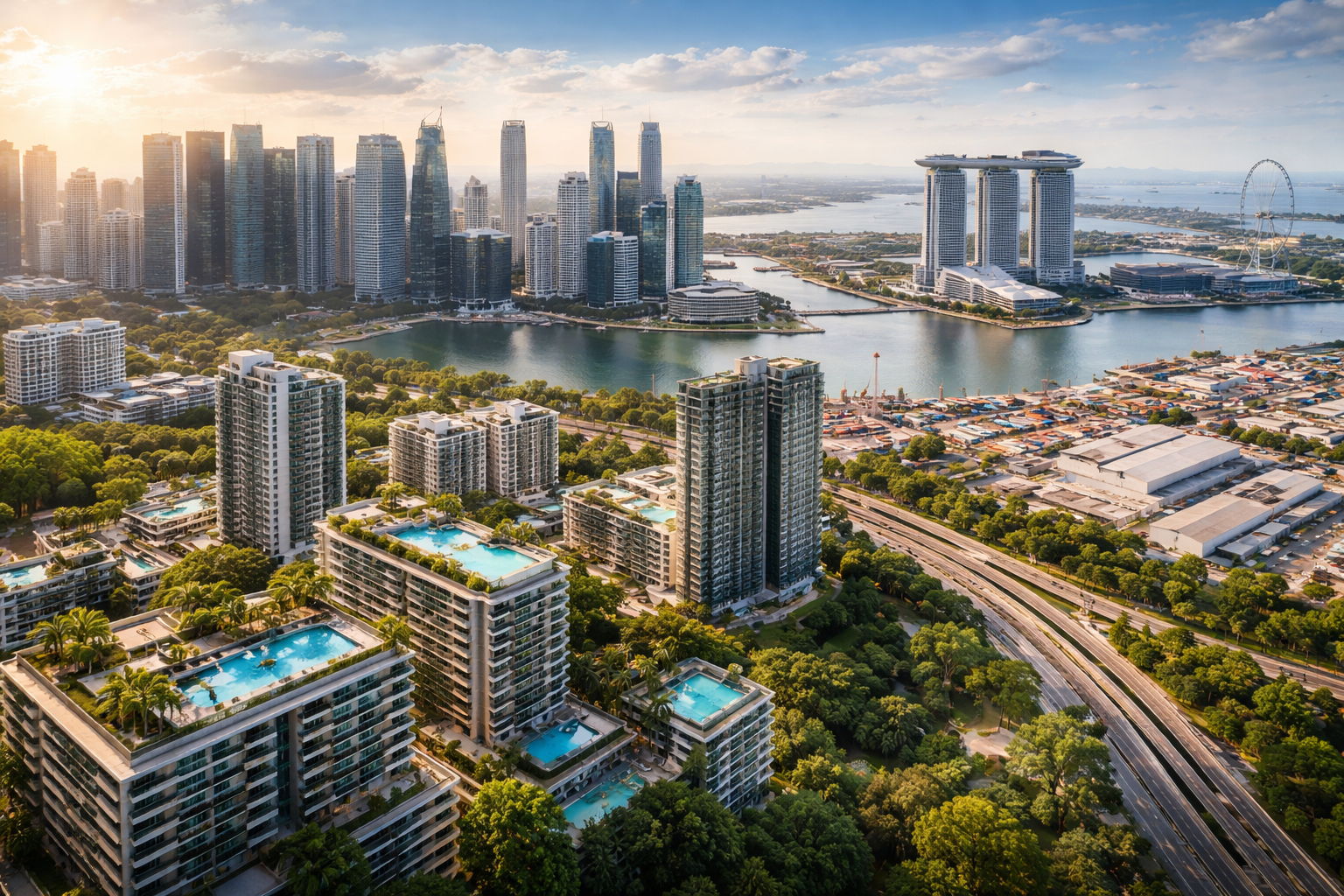

Foreign investors have consistently played a pivotal role in shaping the dynamics of Singapore’s stock market. As one of the most developed financial hubs in Asia, Singapore attracts capital from global markets, thanks to its robust infrastructure, business-friendly regulations, and strategic geographic location. This article examines the key trends and impacts that foreign investors have had on the market, providing insight into the intricate relationship between foreign capital and Singapore’s economic growth.
1. Foreign Investment Trends in Singapore’s Stock Market
Singapore’s stock market has long been an attractive destination for foreign investors. Over the past few decades, the city-state has positioned itself as a financial center that welcomes global investments, offering stability, transparency, and low taxation. These factors have contributed to significant foreign participation in the Singapore Exchange (SGX), with foreign investors accounting for a substantial share of trading volume.
In recent years, the trend of foreign investment has remained strong. According to reports from SGX, foreign investors contributed to over 40% of the total trading volume on the exchange in 2022, highlighting their critical role in market liquidity. The investment flow comes from both institutional and retail investors, with institutional players such as global asset management firms and hedge funds leading the way. Furthermore, Singapore’s open economic policies and its well-established legal framework, including the rule of law and investor protection laws, have helped maintain the confidence of foreign investors.
One prominent trend in recent years has been the increasing participation of foreign investors from China and the United States. These investors are particularly attracted to Singapore’s diverse market, which includes both traditional sectors such as finance and new growth sectors like technology and green energy. As a result, the stock market has seen an influx of capital, driving stock prices and supporting the expansion of businesses listed on the SGX.
2. Economic and Market Impact
The involvement of foreign investors in Singapore’s stock market has had a significant impact on the local economy. One of the key advantages is the enhancement of market liquidity. Foreign investments provide the liquidity that allows both local and global companies to raise capital effectively through initial public offerings (IPOs) and bond issuances. The diverse sources of capital make it easier for Singapore-based companies to access funds for expansion, research and development, and other growth initiatives.
Moreover, the presence of foreign investors fosters a more competitive and transparent marketplace. These investors often bring with them a wealth of experience and technical expertise, which can lead to the adoption of best practices in corporate governance, risk management, and financial reporting. As a result, companies listed on the SGX are generally subject to higher standards of accountability, which benefits both investors and the broader economy.
Additionally, foreign investments serve as a catalyst for innovation in the local market. For instance, the rise of foreign tech companies investing in Singapore has helped drive the development of the technology sector, which in turn has spurred local startups and fintech companies. This growing tech ecosystem is positioning Singapore as a regional leader in fintech, contributing to the country’s status as a global financial hub.
3. Challenges and Risks
While foreign investments have brought numerous benefits, they are not without challenges. One of the risks associated with heavy foreign participation in the stock market is market volatility. Global economic shifts, geopolitical tensions, and changes in monetary policy abroad can lead to sudden fluctuations in the market, often triggered by the withdrawal of foreign capital. For instance, during periods of economic uncertainty, foreign investors may pull out of the Singapore market, leading to sharp declines in stock prices.
Another challenge is the risk of market overdependence on foreign capital. While foreign investment is crucial for the market’s growth, an overreliance on external sources of funding may expose the market to external shocks. This underscores the importance of balancing foreign investments with strong domestic participation to maintain market stability.
Lastly, regulatory challenges can also arise as foreign investors navigate the regulatory landscape of a foreign market. While Singapore offers a business-friendly environment, the constantly evolving regulatory framework requires foreign investors to remain vigilant in ensuring compliance with local laws.
Despite these challenges, the role of foreign investors in Singapore’s stock market remains indispensable, and their impact continues to shape the future of the nation’s financial landscape.