
The New Backbone of Supply Chains
Singapore’s strategic position as a global transshipment hub has long been its economic advantage, but a persistent manpower crunch in logistics is pushing the industry to embrace autonomous systems like never before. By 2026, startups are no longer just piloting warehouse robots—they are scaling fleets across regional distribution centres and transforming how goods move from port to doorstep.
Sesto Robotics’ Fleet Expansion and Industry Impact
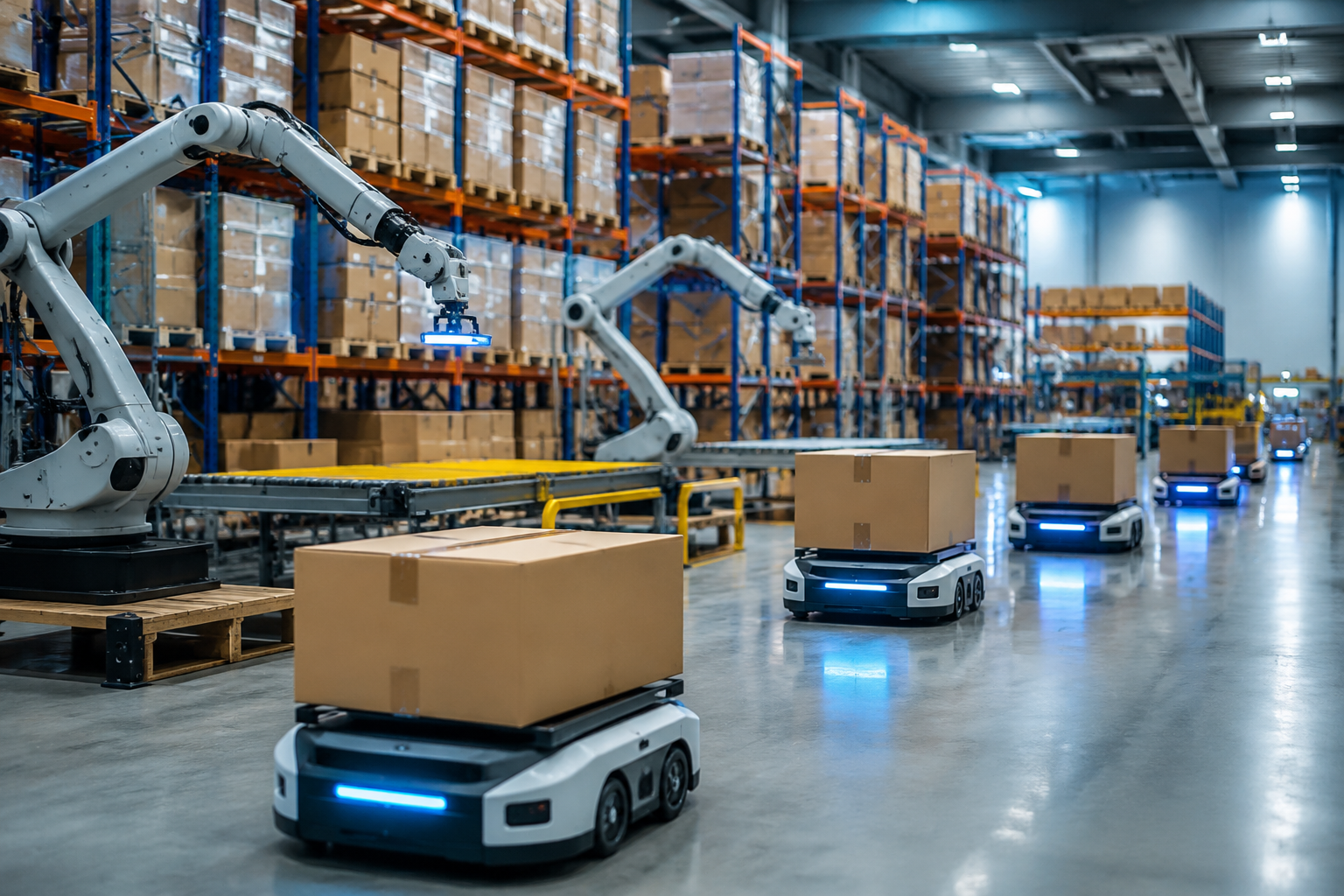
One of the most significant players is homegrown Sesto Robotics. The company’s autonomous mobile robots (AMRs), including the Magnus series, are now a common sight in third-party logistics warehouses and electronics manufacturing facilities. In its 2026 performance update, Sesto reported a 45% year-on-year increase in deployed units across Southeast Asia, with a major contract signed to automate the sorting hub of a leading e-commerce platform in Jurong. The robots navigate dynamically without fixed infrastructure, using advanced LiDAR and AI, allowing facilities to reconfigure workflows overnight.
Government Support Fuels Rapid Adoption
This scale-up is backed by strong public sector commitment. According to Enterprise Singapore’s 2026 Industrial Automation Report, investments in logistics robotics surged by 32% year-on-year, driven by the Robotics Adoption Grant and a new Productivity Solutions Allowance. The report notes that AMR deployments reduced pick-and-pack errors by 68% and cut order-to-ship time in half for early adopters.
A Real-World Deployment: Changi Logistics Hub
At the Changi Airfreight Centre, a consortium of logistics startups and a global forwarder completed a fully automated cross-docking trial in Q1 2026. Using a mix of Sesto’s AMRs, collaborative arms from a local SME, and a cloud-based fleet management system, the facility processed 40% more cargo during peak Lunar New Year demand with 60% less temporary manpower. The project is now being replicated at the Tuas Mega Port logistics zone, underscoring how Singapore’s robotics startups are not just coping with labour shortages but redefining supply chain resilience.