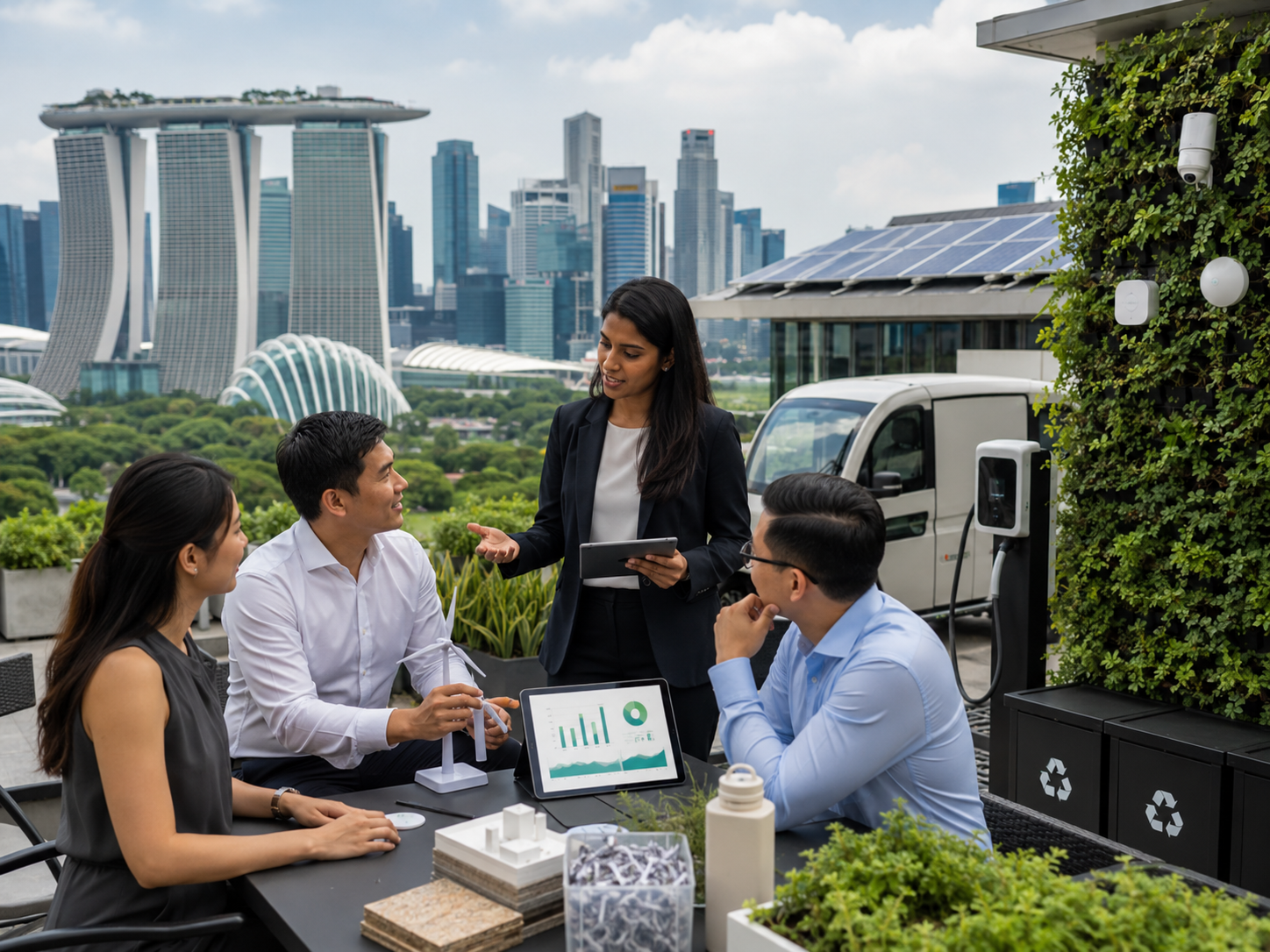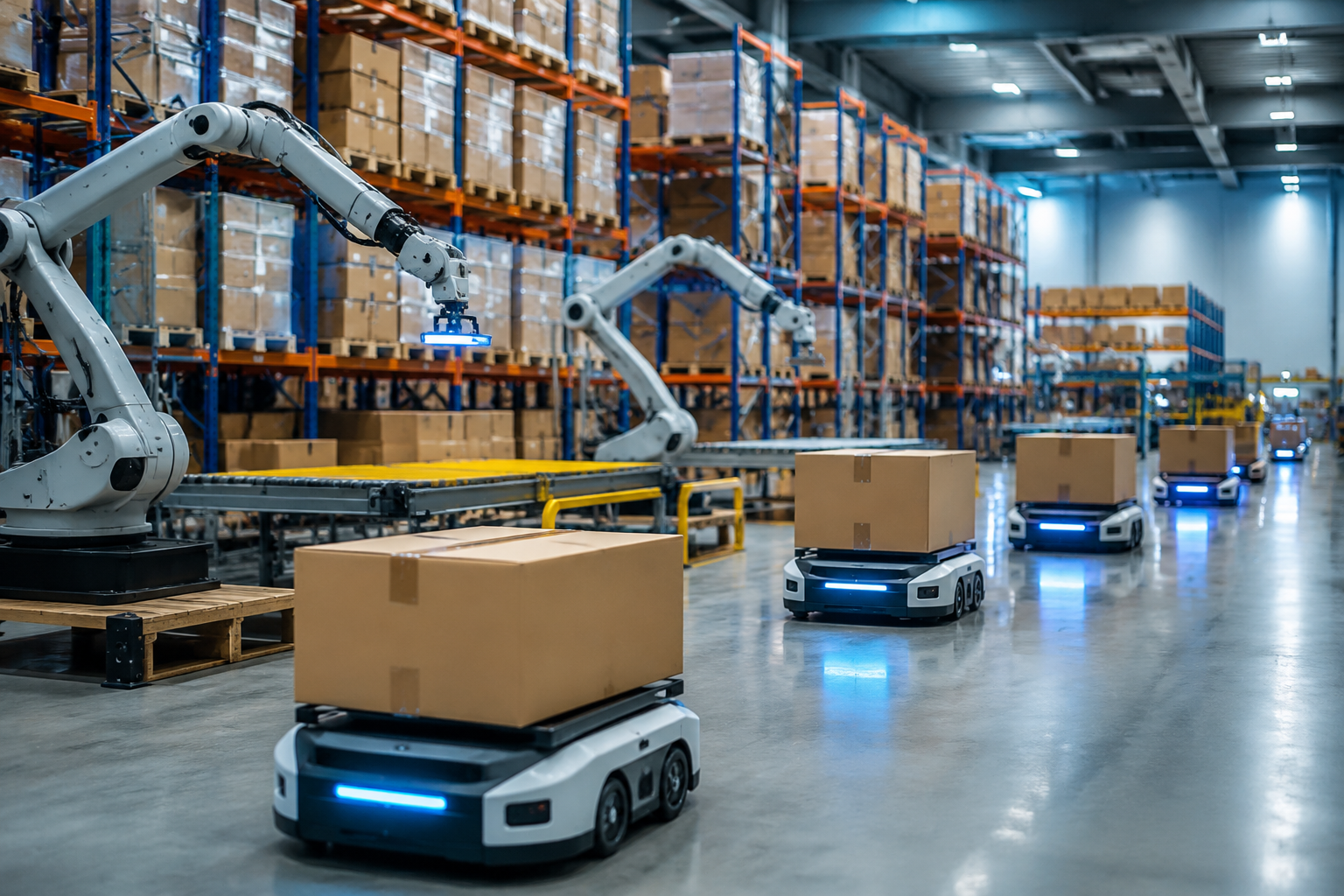

Singapore has become one of Asia’s most active laboratories for start-up innovation, especially in areas where technology can respond to social needs. As a compact, highly connected city-state, Singapore offers start-ups a strong testing ground: reliable digital infrastructure, supportive government policies, access to regional markets, and a population that is comfortable with digital services. These conditions have encouraged founders to build companies that do more than chase profit. Many start-ups now design technology to address issues such as ageing, healthcare access, education gaps, climate pressure, financial inclusion, and urban sustainability.
One of the strongest innovation trends is health technology. Singapore’s ageing population has increased demand for solutions that help people live independently while reducing pressure on hospitals and caregivers. Start-ups are developing remote monitoring tools, telemedicine platforms, AI-supported health screening, and wearable devices that track early warning signs. These technologies allow doctors, families, and care providers to observe patients more efficiently without requiring constant hospital visits. For elderly residents, this can mean faster intervention, safer home-based care, and a better quality of life.
Financial technology is another major area where Singaporean start-ups are solving social problems. Many solutions focus on people who are often underserved by traditional finance, including migrant workers, small business owners, gig workers, and lower-income households. Digital wallets, low-cost remittance services, alternative credit scoring, and automated savings tools can make financial services more affordable and accessible. For small enterprises, fintech platforms help with invoicing, cash-flow management, insurance, and easier access to financing. These innovations are important because financial stability is closely linked to social mobility.
Education and skills development have also become important start-up priorities. As technology changes the labor market, workers need continuous training to remain employable. Singaporean edtech start-ups are building personalized learning platforms, online tutoring tools, career-matching systems, and microlearning apps for professionals. Some use artificial intelligence to identify learning gaps and recommend suitable courses. Others focus on children with different learning needs, helping teachers and parents provide more targeted support. In this way, education technology is not only about convenience; it is also about inclusion and long-term opportunity.
Environmental and urban challenges are also shaping start-up innovation. Singapore faces limited land, high food import dependence, waste-management concerns, and the need for more energy-efficient systems. Start-ups are responding with smart sensors for buildings, food-waste tracking platforms, vertical farming technologies, water-management tools, and circular-economy solutions. These technologies help businesses and households reduce waste, save resources, and make more sustainable decisions.
What makes Singapore’s start-up ecosystem distinctive is the close relationship between entrepreneurs, universities, investors, and public agencies. Regulatory sandboxes and innovation grants make it easier for founders to test new ideas in sensitive sectors such as finance, healthcare, and urban planning. However, start-ups must also handle challenges carefully. Social technology requires trust, data protection, affordability, and cultural sensitivity. A product that works technically may fail if users do not understand it or cannot afford it.
The future of Singaporean start-ups will likely depend on their ability to combine advanced technology with real human needs. The most meaningful innovations will not simply be the fastest or most complex. They will be the ones that make healthcare more reachable, education more equal, finance more inclusive, and cities more sustainable.