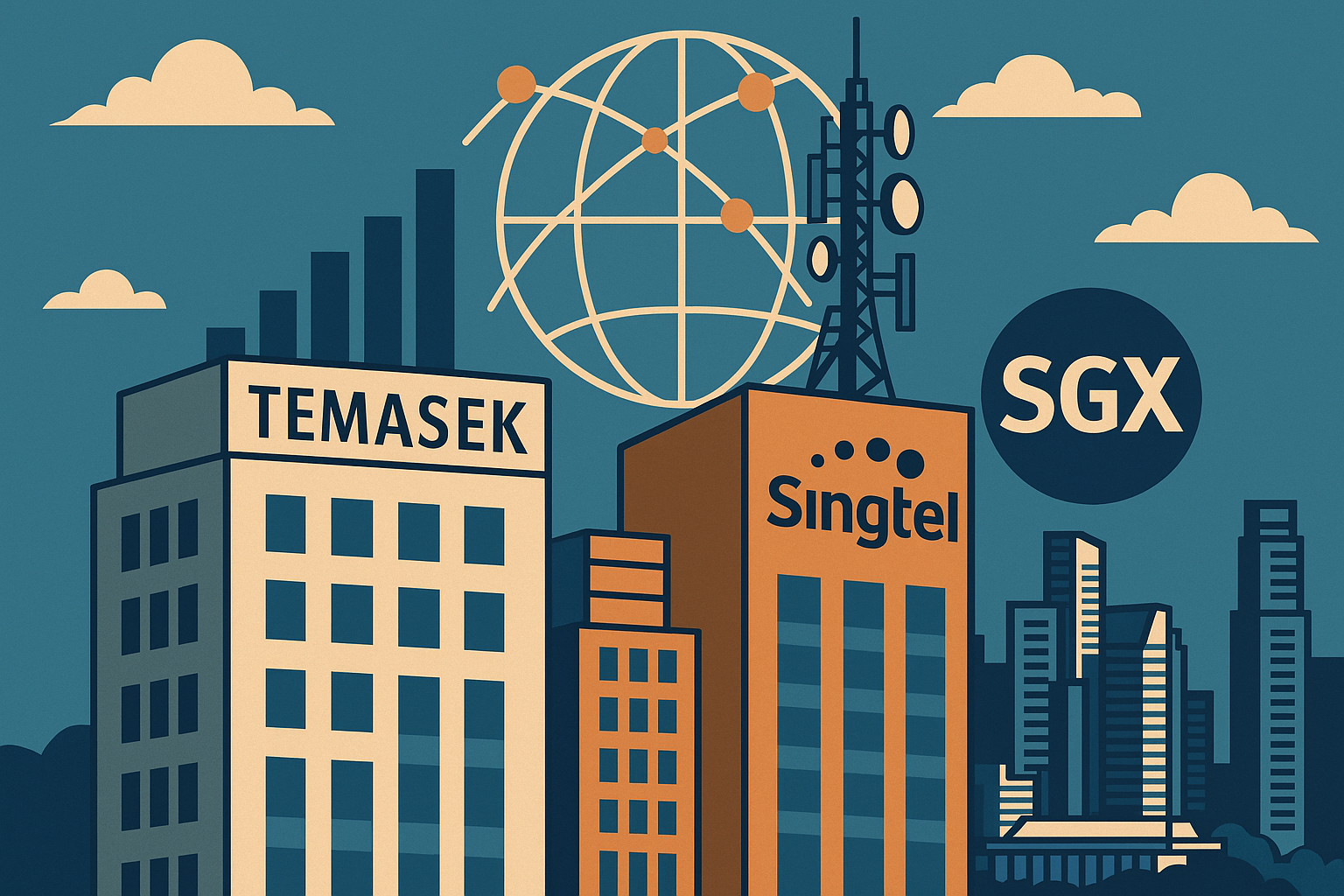
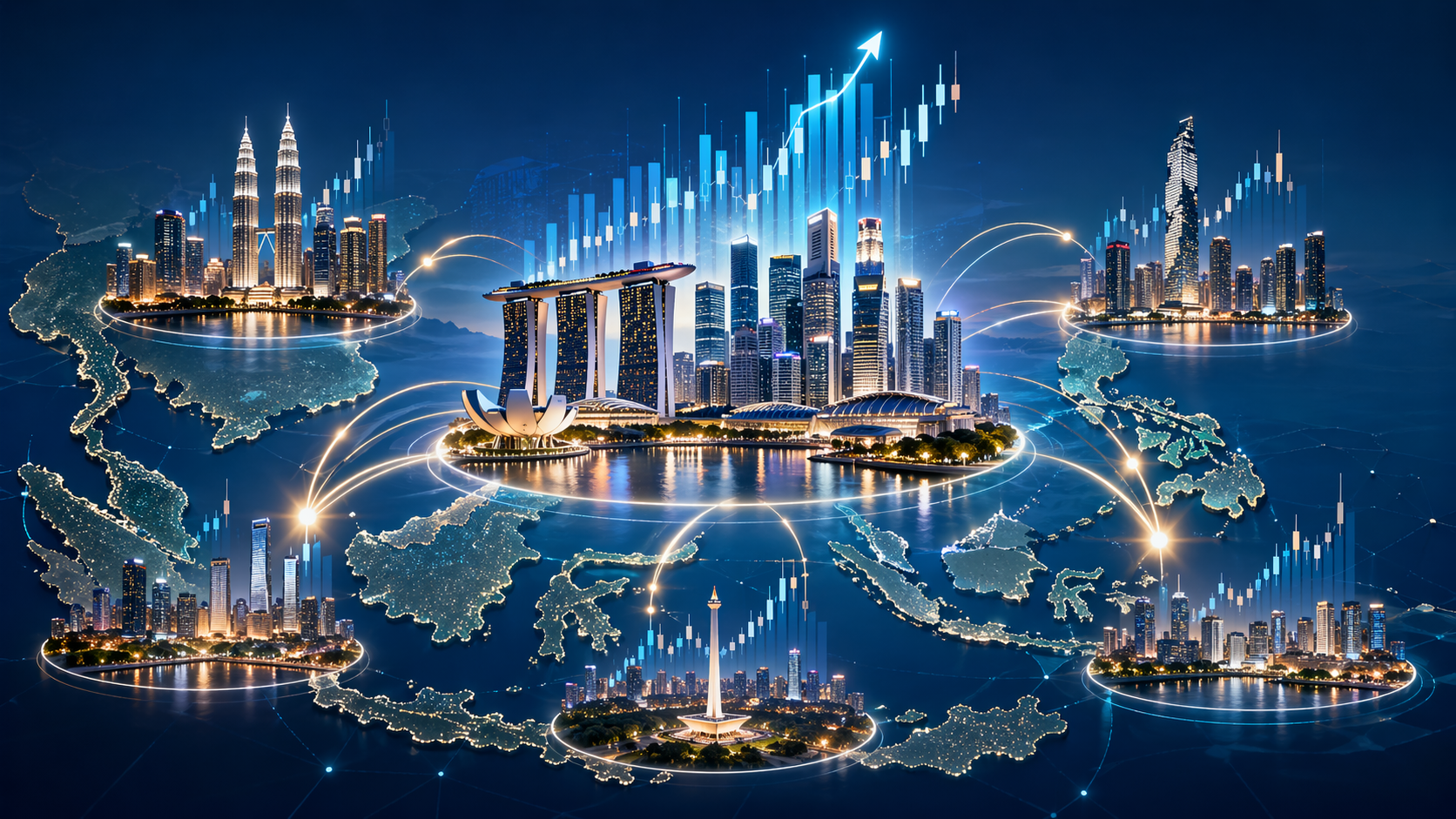
The Singapore stock market, represented mainly by the Singapore Exchange (SGX), stands out as one of the most developed and sophisticated in Southeast Asia. It has been an important player in the region due to its regulatory framework, stability, and strong economic background. To understand its position better, it’s important to compare it with neighboring stock markets, such as those of Malaysia (Bursa Malaysia), Thailand (Stock Exchange of Thailand, SET), Indonesia (Indonesia Stock Exchange, IDX), and the Philippines (Philippine Stock Exchange, PSE).
First, the SGX offers a highly transparent trading environment, making it attractive to both local and international investors. The market’s regulatory standards are aligned with global norms, which contributes to its reputation as a reliable market for long-term investments. The presence of large multinational corporations also plays a crucial role in maintaining the liquidity of the market.
In contrast, Bursa Malaysia has a smaller market capitalization but offers more opportunities in emerging sectors like Islamic finance and commodity-based companies. Malaysia’s stock market is also relatively less volatile compared to others in the region. However, it lacks the global presence that the SGX enjoys, mainly due to fewer multinational companies listed.
Thailand’s SET offers a dynamic stock market with a strong presence of large domestic companies. However, the SET has historically been more affected by domestic political instability, which has occasionally led to increased market volatility. Despite this, Thailand’s market has shown significant growth, especially with the rise of tech startups and digital companies.
Indonesia’s IDX is one of the most promising markets in the region, boasting a large, young population and growing economic power. However, it still faces challenges, such as lower liquidity and a smaller number of listed companies compared to the SGX. The market also remains susceptible to political instability, although recent reforms have made the IDX more appealing to foreign investors.
The Philippine Stock Exchange (PSE), like the IDX, has a rapidly expanding economy but faces challenges with lower levels of foreign investment compared to Singapore. Additionally, liquidity in the PSE remains an issue, and the market is also prone to regional volatility. However, recent economic reforms and growth in sectors like business process outsourcing (BPO) and e-commerce have added value to the market.
When comparing these stock markets with the SGX, it’s clear that Singapore provides a much more stable, transparent, and internationally recognized trading environment. It benefits from its strategic position as a financial hub and offers diverse investment opportunities, particularly for foreign investors seeking exposure to the region.