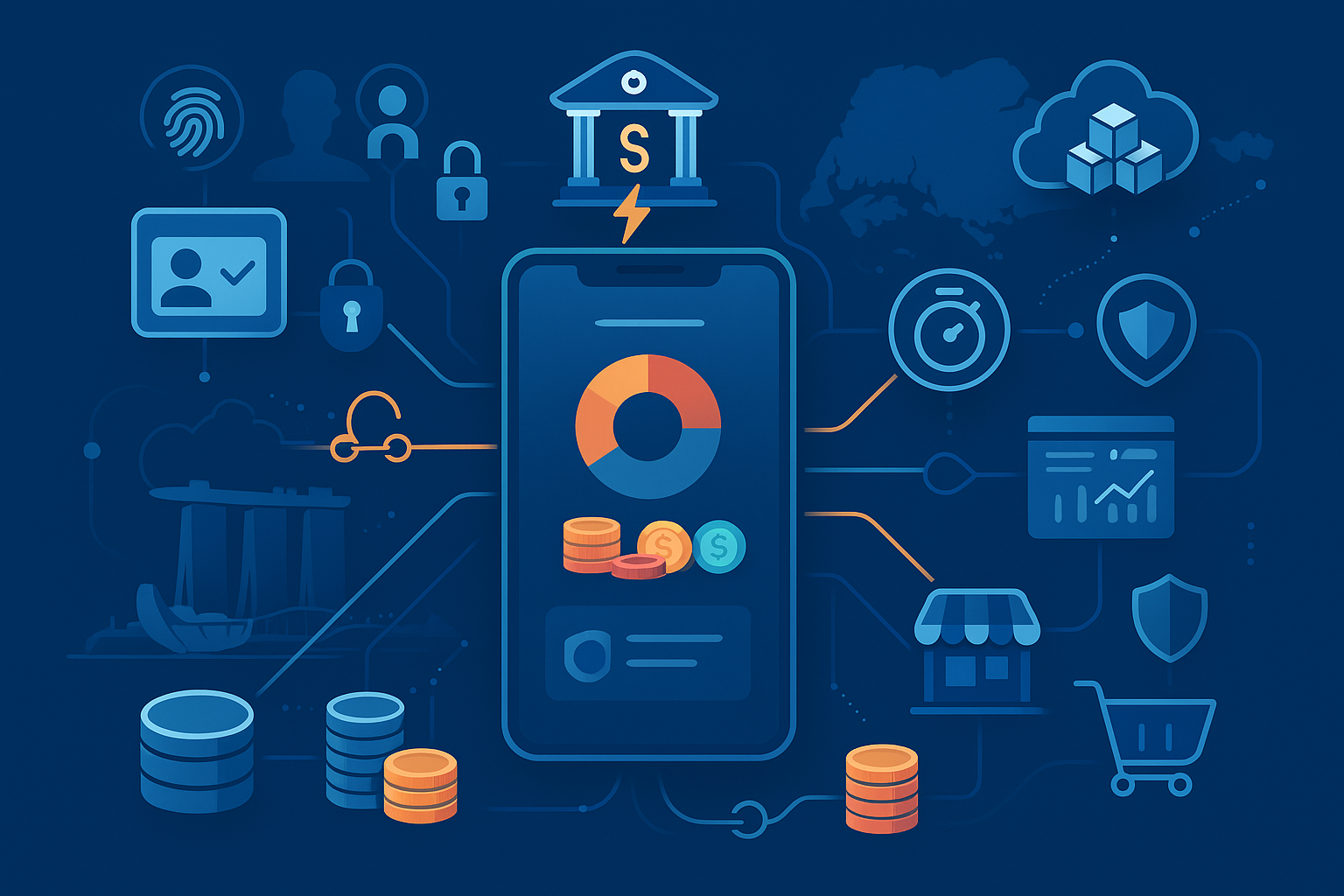

Singapore is often seen as a highly banked, highly digital economy, yet “unbanked” and “underbanked” realities still exist in the gaps—among people who can’t easily access mainstream financial services or who avoid them due to cost, complexity, or trust. In a dense city with advanced infrastructure, financial exclusion tends to be less about physical distance to a bank branch and more about barriers like documentation, digital literacy, language, eligibility rules, and day-to-day cash habits.
Who is most at risk of being left out?
In Singapore, underserved groups can include low-income households, seniors who struggle with mobile banking, persons with disabilities who need accessible interfaces, newly arrived residents who lack local credit history, and some migrant workers who face friction around onboarding and remittances. Being “underbanked” may look like relying on cash for most transactions, using informal lending, or paying high fees for money transfers and bill payments. Even those with a bank account may not have affordable credit, insurance coverage, or confidence using digital services.
The ecosystem: regulator, banks, fintech, and social support
Financial inclusion in Singapore is shaped by a coordinated ecosystem. The Monetary Authority of Singapore (MAS) sets regulatory standards to keep the system safe while enabling innovation. Banks provide core accounts, debit cards, credit assessment, and fraud controls. Fintech firms expand access by simplifying payments, lowering transfer costs, and building budgeting or savings tools into everyday apps. Meanwhile, community organizations and government-linked social services support vulnerable households through assistance schemes, financial counselling, and education.
Digital rails that reduce exclusion—when used well
Singapore’s national digital infrastructure supports inclusion by making transactions faster and cheaper. Real-time transfer systems and widely used QR payment standards can reduce reliance on cash and make it easier for small merchants to accept digital payments. Digital identity tools can streamline account opening and reduce repetitive paperwork. However, digital progress does not automatically equal inclusion: people who lack smartphones, stable data plans, or confidence with apps can be pushed further behind if alternatives disappear.
Practical inclusion levers that matter
- Basic, low-friction accounts: Simple account tiers with transparent fees and no confusing conditions help households manage wages, bills, and savings.
- Smarter onboarding: Clear guidance in multiple languages, accessible branch support, and assistive options for seniors and people with disabilities can make the first step less intimidating.
- Affordable remittances: Migrant workers benefit when transfer fees drop, exchange-rate spreads are fair, and cash-out points are convenient and safe.
- Savings nudges: Features like “round-up savings,” goal pots, and automated transfers encourage resilience without requiring high income.
- Fair credit pathways: Alternative data—used responsibly—can help people with thin credit files access small loans without turning to informal lenders.
Risks that must be managed
Inclusion efforts can backfire if they increase fraud exposure or encourage over-borrowing. Strong consumer protection, clear disclosures, and rapid fraud response are essential. Digital inclusion also needs “human fallbacks”: staffed help lines, in-person support for complex cases, and dispute resolution that doesn’t assume everyone can navigate online forms.
Financial inclusion in Singapore is less a single program and more a continuous design challenge: building products that are safe enough for a global financial hub, yet simple and affordable enough for people who live paycheck to paycheck or who struggle with digital tools. The most effective approaches treat inclusion as a service quality standard—measured by usability, fairness, and trust—not just by account ownership.