
Starting a business can be an overwhelming journey, especially when facing the early-stage challenges of establishing a new venture. In Singapore, business incubation programs play a critical role in supporting startups and guiding them through their initial struggles. These programs provide entrepreneurs with the tools and resources needed to navigate the complexities of the business world.
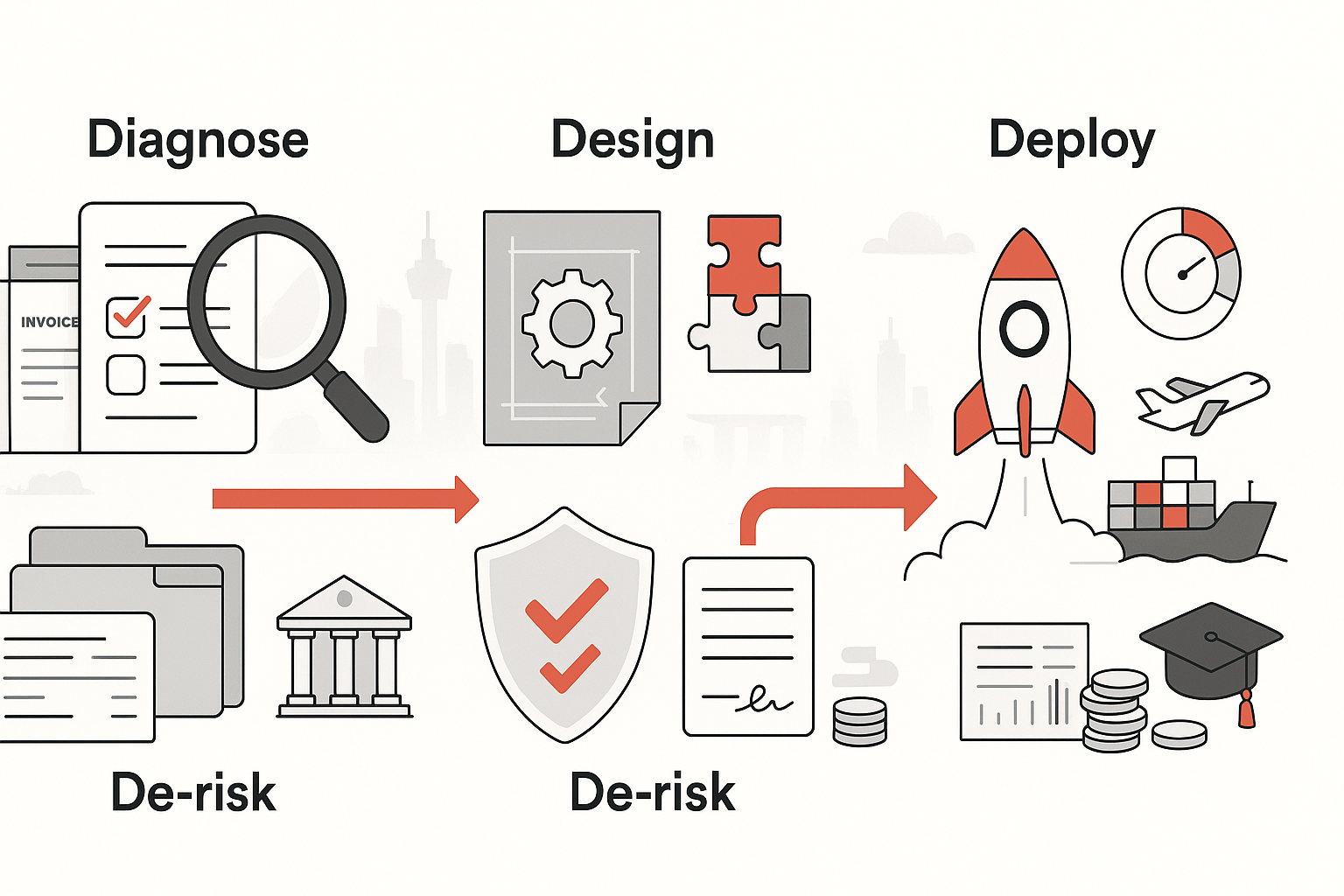
Business incubators in Singapore are designed to nurture early-stage companies by providing a comprehensive set of services. These services typically include mentorship, office space, networking opportunities, access to funding, and even legal and administrative support. By offering these vital resources, business incubators help reduce the risks associated with launching a new business, ensuring that startups have a better chance of succeeding in the competitive market.
One of the key benefits of Singapore’s business incubation programs is the extensive mentorship opportunities available to startups. Entrepreneurs can gain valuable insights from seasoned industry professionals who provide guidance on a range of business-related matters, including marketing strategies, financial planning, and scaling the business. This mentorship can be particularly helpful for new founders who may lack experience in managing and growing a business.
In addition to mentorship, these programs also offer startups access to a network of investors and potential partners. This network is often crucial for securing funding, as many early-stage startups struggle to attract investment. Incubators facilitate introductions to venture capitalists, angel investors, and corporate partners who are interested in supporting promising startups. Furthermore, business incubators in Singapore often have established relationships with government agencies, which can help startups access various grants and funding schemes.
Another significant advantage is the provision of shared office spaces. For new businesses that are operating on a tight budget, renting an office can be prohibitively expensive. Incubators solve this problem by offering co-working spaces that are equipped with essential facilities, allowing entrepreneurs to focus on their business without worrying about overhead costs. The collaborative environment in these spaces also fosters networking and collaboration between startups from various industries, creating a dynamic ecosystem for innovation.
Moreover, the support provided by business incubators extends beyond financial and logistical help. These programs also assist startups in navigating legal and regulatory challenges, which can be particularly difficult for first-time entrepreneurs. For example, incubators often provide access to legal experts who can help startups with incorporation, intellectual property issues, and contract negotiations. This expertise helps startups avoid common legal pitfalls that could delay or derail their progress.
Singapore’s government has recognized the importance of these programs and provides strong support for them. Through various agencies such as Enterprise Singapore and the Infocomm Media Development Authority (IMDA), the government has developed initiatives to promote the growth of the startup ecosystem. These initiatives include funding programs, tax incentives, and support for international expansion, which further strengthens the business incubation landscape in Singapore.
As a result of these comprehensive support systems, Singapore has become one of the leading hubs for startups in Asia. Entrepreneurs from around the world are drawn to the country’s vibrant startup ecosystem, which is built on the foundation of robust incubation programs that assist businesses in overcoming early-stage hurdles. The success stories of companies that have gone through Singapore’s incubation programs highlight the effectiveness of these initiatives in helping startups thrive.