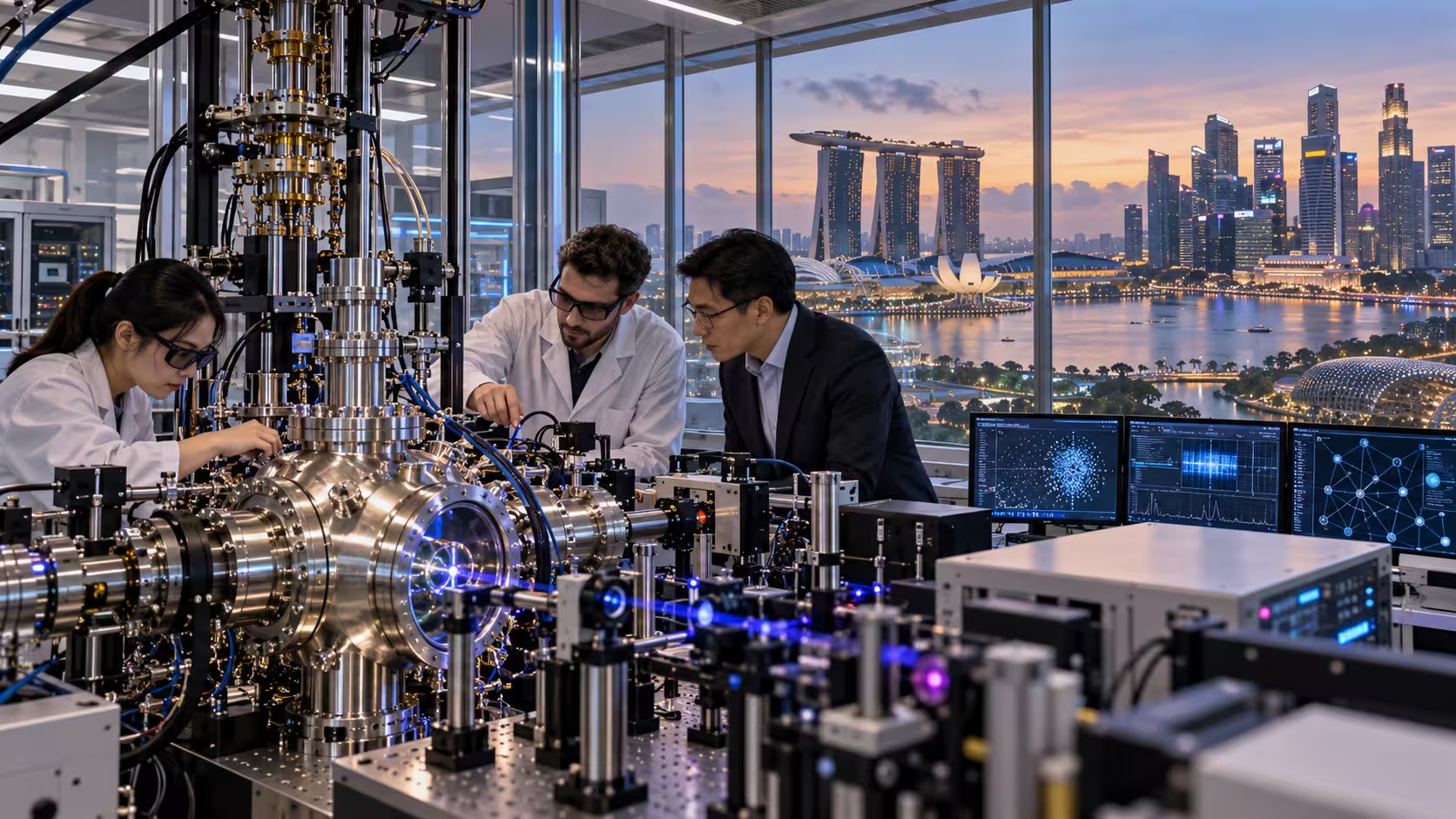
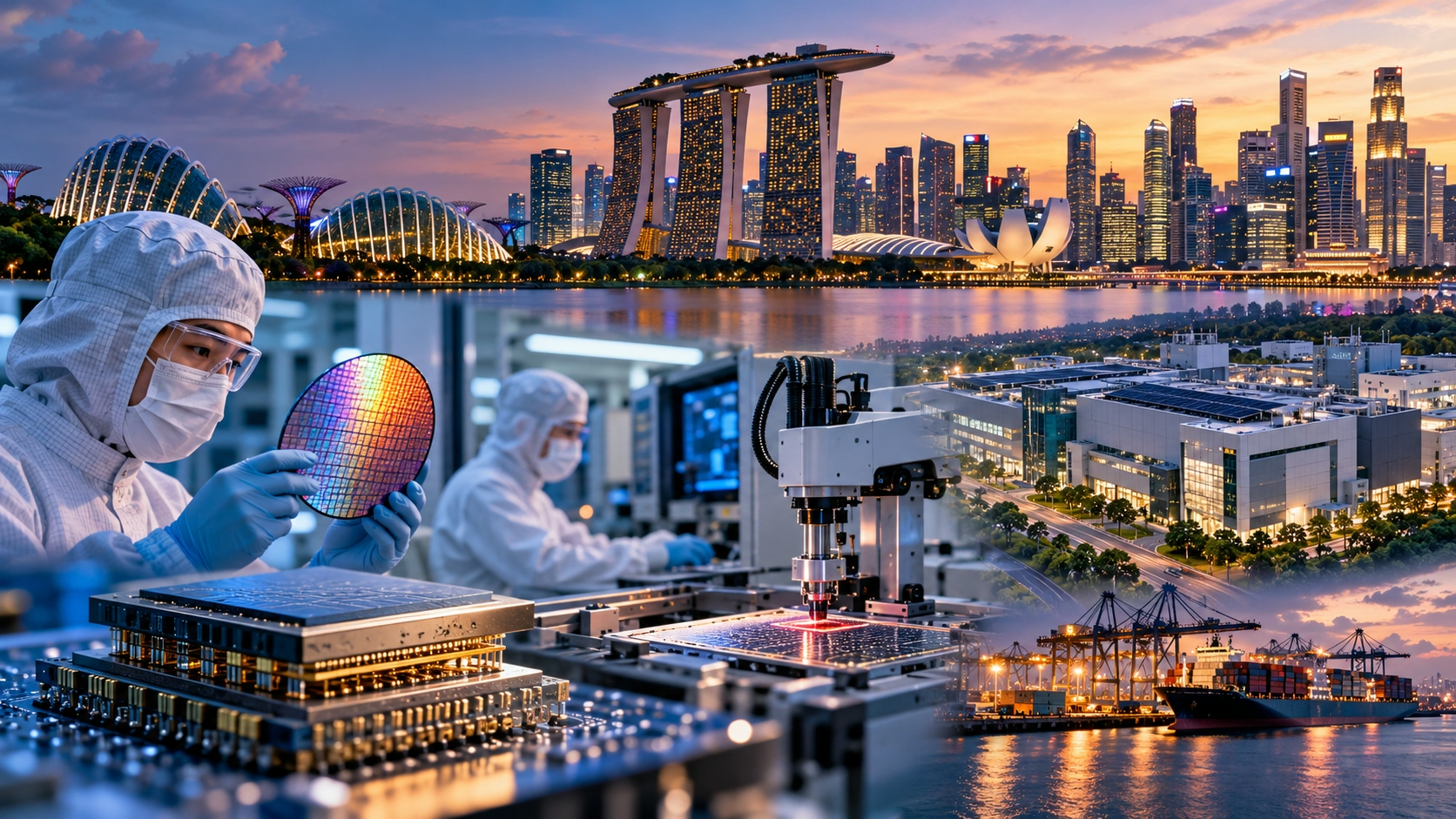
Singapore is rarely described as a global center for advanced packaging. Yet one company founded only in 2021—Silicon Box—is now helping shape the direction of the global chiplet industry. On 8 June 2026, the Tampines Wafer Park-based company announced a SGD 100 million debt facility, or around USD 77.65 million, from funds managed by Ares Management Corporation, InnoVen Capital, January Capital Growth Credit, and Abound Capital. The facility includes an option to add up to USD 75 million, giving the five-year-old company meaningful liquidity.
Why Panel-Level Packaging Is the Critical Layer
Silicon Box does not compete in conventional wafer fabrication. It positions itself in a layer that increasingly determines chip performance: panel-level packaging and chiplet integration. As monolithic scaling faces physical and economic limits, chip designers are shifting to chiplet architectures that combine multiple dies in one high-performance package. Silicon Box’s SiPlet® technology and panel-level packaging are relevant here because they offer a potentially lower-cost alternative to traditional packaging.
Commercial Traction That Is Already Measurable
Silicon Box’s claim is not only a funding narrative. Through the first quarter of 2026, the company reported shipping more than 250 million units from its Singapore flagship facility with near-perfect yield. That figure signals that panel-level packaging is no longer laboratory-stage; it is already in volume production. The new financing is directed at capacity expansion, not basic research, so its impact on production lines can be measured in quarters.
Markets Served: From AI to Space Technology
Silicon Box targets artificial intelligence, high-performance computing, mobile devices, the Internet of Things, robotics, and space technology. This diversification matters because advanced packaging demand is no longer supported only by AI data centers; edge devices also require more efficient power and size integration. In other words, Silicon Box is not relying on a single semiconductor capital spending cycle.
A Maturing Funding Ecosystem
A mix of debt and equity is typical for capital-intensive manufacturers. Before this debt facility, Silicon Box completed a USD 150 million Series B2 equity round. The pattern shows that Singapore investors are becoming comfortable financing production assets, not just software or chip design. For the local semiconductor startup ecosystem, Silicon Box demonstrates that a startup can move from venture funding to global-class manufacturing from Singapore.