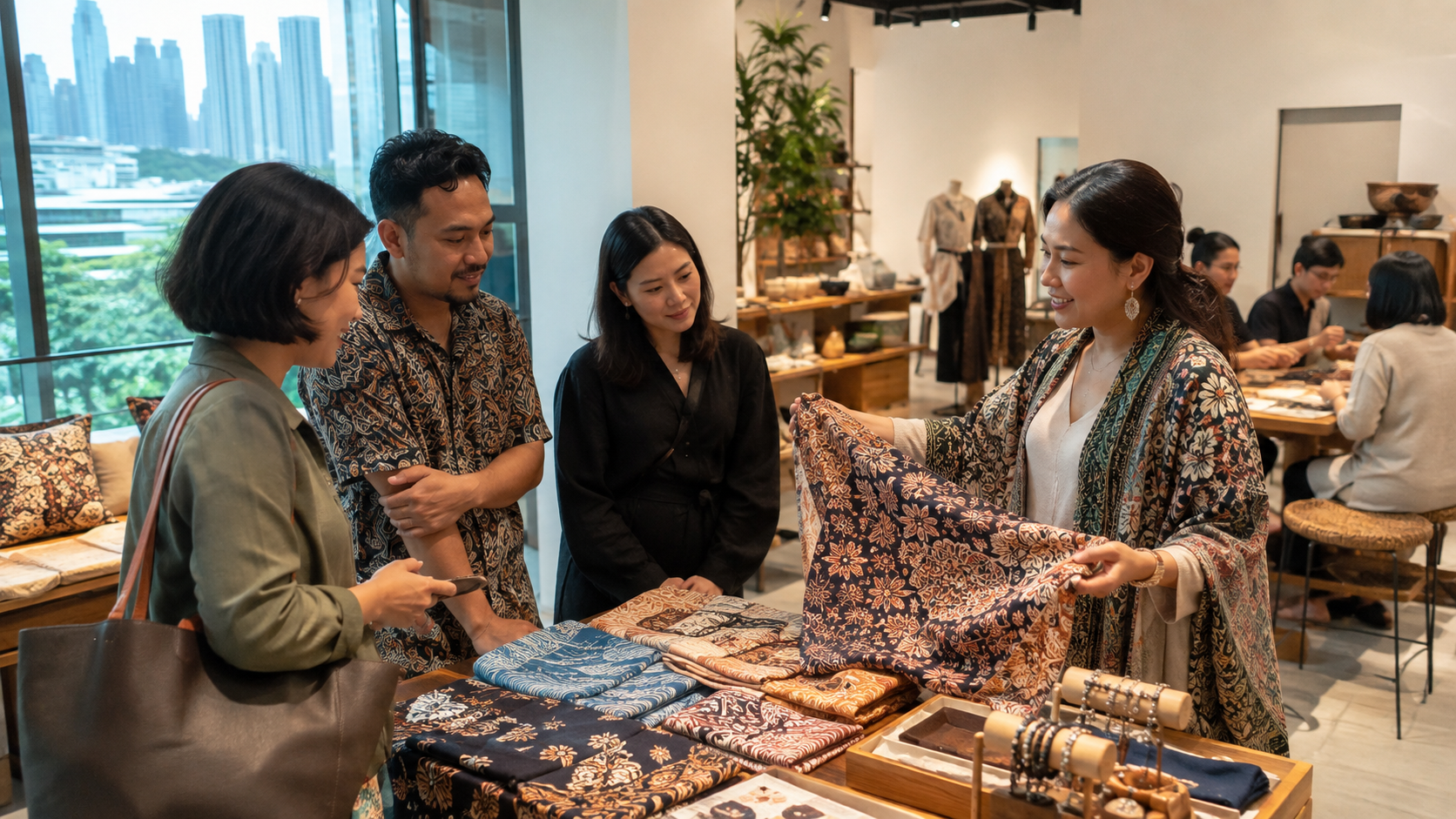
The idea that Singapore is only a financial and logistics hub misses one of its fastest-changing realities: in 2026, creative businesses are no longer a niche experiment. Independent curators, visual artists, heritage studios, and immersive experience designers are building scalable ventures inside a market that now treats culture as a serious commercial sector.
The 2026 Arts Economy Is Growing Faster Than Many Entrepreneurs Assume
The National Arts Council’s Singapore Cultural Statistics, updated in 2026, shows that the arts and culture sector now contributes more than S$2 billion in nominal value added, with especially strong growth in digital art sales, arts education services, and regional art trade. The dataset is available at https://www.nac.gov.sg/resources/singapore-cultural-statistics. This is not a passive museum economy; it is an expanding network of small and medium creative enterprises.
New Data Shows a Resilient Post-Pandemic Expansion
The 2026 figures indicate that visual arts, performing arts, and heritage-related services have moved beyond recovery into expansion. Private galleries report higher average transaction values, while international auction houses are expanding their Singapore previews to capture Southeast Asian collectors. At the same time, corporate demand for art consultation, interior art curation, and cultural programming has risen sharply.
Government-Linked Support Has Shifted From Grants to Revenue Partnerships
Enterprise Singapore and the National Arts Council now prioritise market access and revenue generation, not just project funding. Creative SMEs can access co-funding for international art fairs, digital storefront development, and export logistics. The practical result is that an art startup can receive support to secure its first overseas buyer instead of only covering production costs.
Where Independent Arts Businesses Are Winning in 2026
Visual Arts Hubs and Private Collectors
Gillman Barracks and Tanjong Pagar Distripark continue to attract galleries, artist studios, and art logistics firms. With Singapore Art Week 2026 drawing regional collectors, new entrants in art storage, framing, and collection management are finding immediate client pipelines.
Immersive Cultural Tourism Products
Visitors to Singapore increasingly book art tours, heritage workshops, and immersive exhibitions. The Singapore Tourism Board views arts-driven tourism as a growth segment, and independent operators are packaging studio visits with dining and retail experiences to increase average spending.
A Real Singapore Case That Shows the Playbook
A local visual arts studio began with a six-month pop-up at Gillman Barracks in early 2025. By mid-2026, it had secured two corporate commissions, launched an online viewing room, and signed a distribution agreement with a regional gallery. The studio used a market readiness grant to cover its first overseas art fair booth, then reinvested 30 percent of revenue into digital marketing and client retention.
Actionable Entry Points for Creative Founders
Launch a hybrid physical-digital gallery with lower overhead. Use government co-funding for international art fairs and online marketplaces. Build a collector database early; repeat buyers often drive a large share of revenue in small creative firms. Partner with tourism operators to capture cultural visitor traffic.
The next wave of growth will favour operators who combine authentic artistic practice with disciplined revenue systems.