In recent years, Singapore has emerged as a global leader in embracing and advancing Internet of Things (IoT) technology. The country’s strategic efforts to integrate IoT into its infrastructure and daily life have fostered a digital transformation that enhances various sectors, from healthcare to transportation, and even home automation. Singapore’s government has been a key driver in this development, with initiatives aimed at building smart cities and enhancing connectivity, sustainability, and overall quality of life for its citizens.
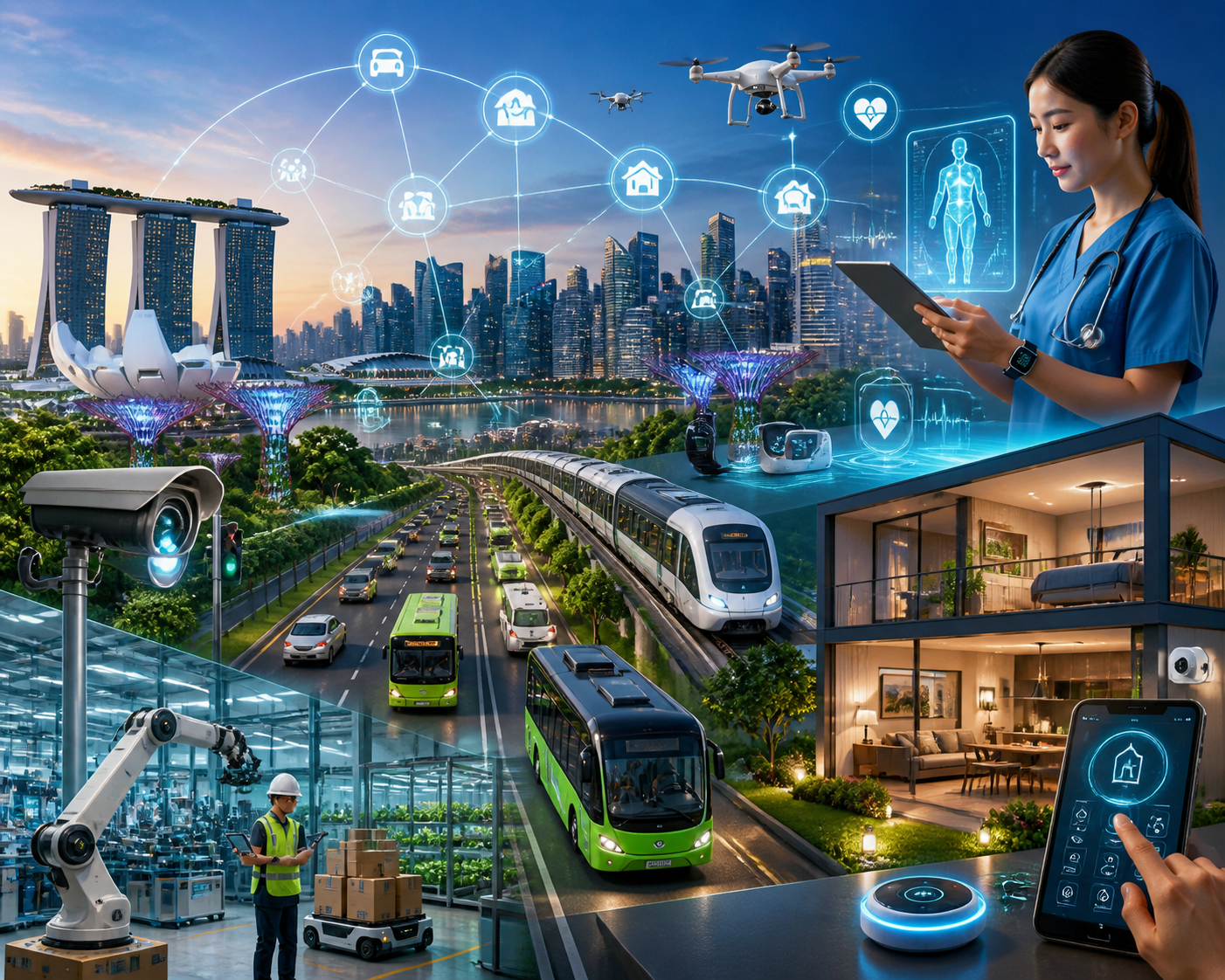
The Smart Nation initiative, launched in 2014, is one of the cornerstones of Singapore’s IoT journey. This initiative focuses on harnessing digital technologies, including IoT, to improve the efficiency of public services, urban living, and create opportunities for businesses. IoT is integrated into various public services such as traffic management, waste collection, and energy monitoring, making the city more efficient and sustainable.
One area where IoT technology has had a significant impact is in healthcare. Singapore has developed an advanced healthcare ecosystem where IoT devices, such as wearable health monitors, are used to track patients’ health metrics in real-time. These devices send data directly to doctors and hospitals, enabling them to respond quickly to health concerns and provide more personalized treatment. In addition to that, hospitals in Singapore have adopted IoT-enabled systems to streamline operations, monitor equipment, and enhance patient care.
Transportation in Singapore has also been transformed by IoT technology. Smart traffic management systems powered by IoT sensors help in monitoring traffic flow, reducing congestion, and improving public transport efficiency. IoT sensors embedded in vehicles and public transport infrastructure provide real-time data, which is used to optimize routes and schedules. This makes the public transportation system not only more efficient but also more environmentally friendly by reducing fuel consumption and emissions.
Moreover, IoT in Singapore’s homes has revolutionized everyday living. With the rise of smart homes, people are now able to control lighting, temperature, security systems, and even appliances through their smartphones. Singapore is one of the forerunners in adopting smart home technology, with many buildings in the city now being designed to include IoT solutions for residents’ comfort and energy efficiency.
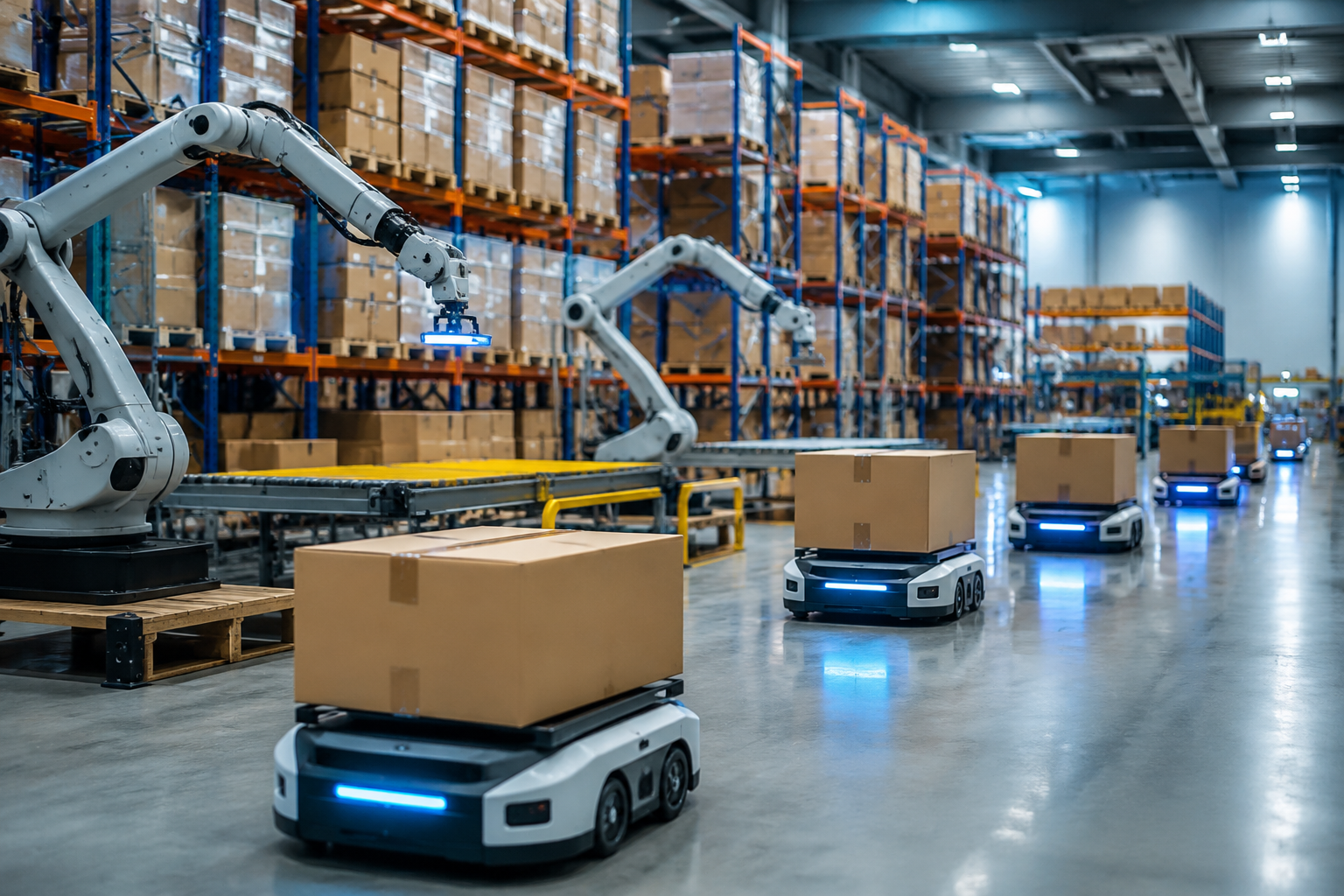
In addition to these advancements, Singapore has also seen growth in its IoT startup ecosystem. The city-state is home to numerous IoT-focused startups that are developing innovative solutions to address challenges in sectors like manufacturing, logistics, and agriculture. These startups often collaborate with government agencies, research institutions, and large corporations, which fosters an environment of innovation and accelerates the adoption of IoT technologies.
Furthermore, the development of 5G networks in Singapore is expected to enhance IoT capabilities. With 5G’s low latency and high bandwidth, IoT devices can communicate in real-time without delay, which is crucial for applications like autonomous vehicles and industrial automation. The government’s push for a nationwide 5G rollout promises to unlock new possibilities in IoT applications, further cementing Singapore’s position as a leader in the digital transformation space.
As IoT continues to evolve, Singapore is well-positioned to lead the way in digital innovation, with the potential to shape the future of cities around the world. Through strategic investments in infrastructure, research, and policy, Singapore is setting the foundation for a more connected, efficient, and sustainable future.