
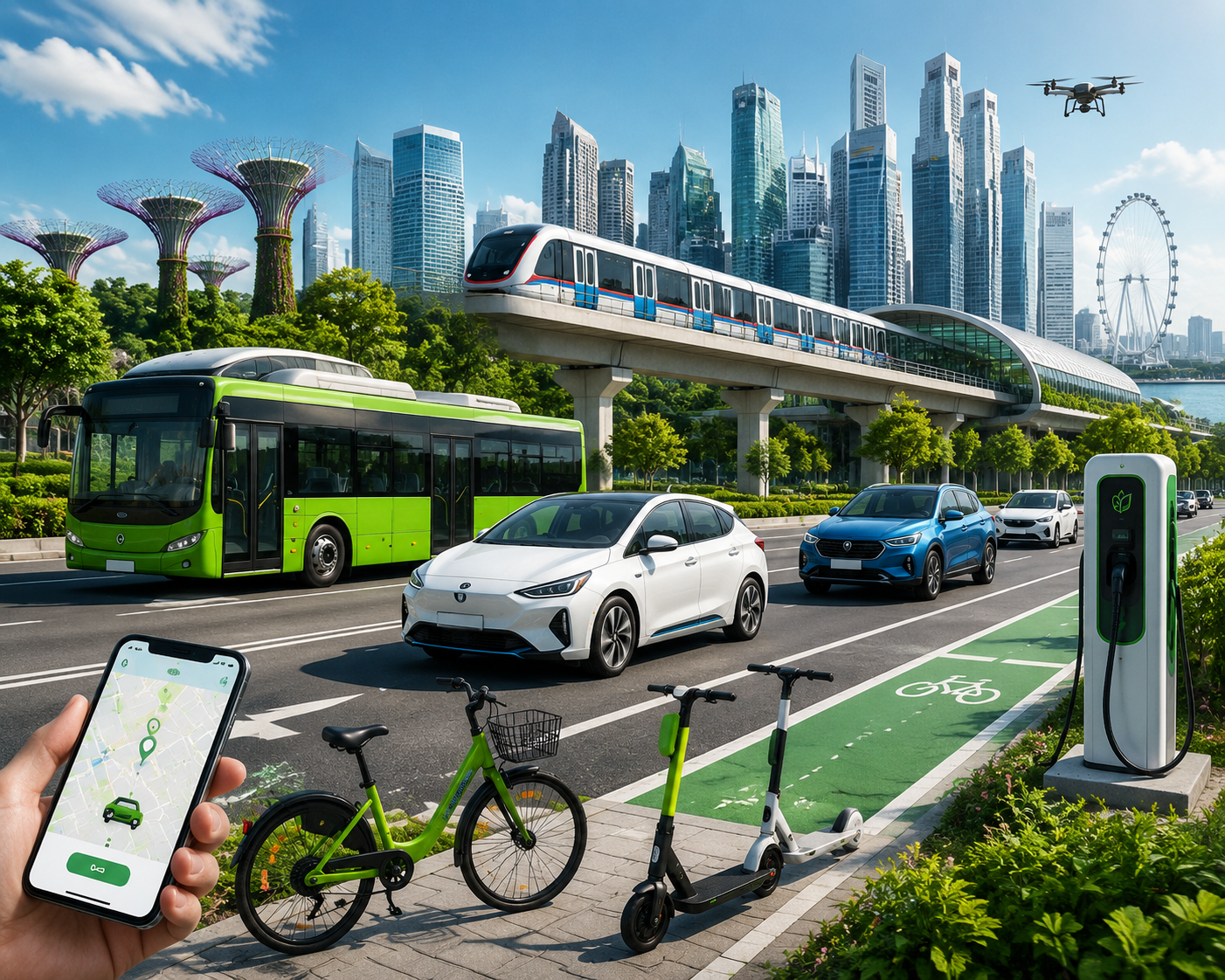
Singapore’s transportation landscape has evolved rapidly over the last decade, with companies embracing technological advancements to offer efficient, reliable, and sustainable mobility solutions. In a city-state where space is limited and congestion is a constant challenge, transportation providers play a crucial role in shaping urban life. Local and international transport firms in Singapore have leveraged digital platforms, smart logistics, and eco-friendly fleets to meet growing demand.
One of the key players in Singapore’s transportation ecosystem is ComfortDelGro, a multi-faceted company operating taxi services, private hire cars, and bus lines. ComfortDelGro has invested heavily in digital tools such as mobile booking apps, cashless payments, and route optimization systems, improving customer convenience while enhancing operational efficiency. The company’s commitment to sustainability is evident in its gradual transition to electric vehicles (EVs) and hybrid buses, reducing carbon emissions in urban transport.
Beyond traditional taxi services, Singapore has seen a surge in ride-hailing platforms such as Grab and Gojek, which have revolutionized mobility by integrating app-based bookings, GPS tracking, and cashless payments. These platforms offer personalized travel experiences with real-time ride tracking, multiple vehicle options, and integration with public transportation networks. Additionally, they provide delivery services, bridging the gap between logistics and urban mobility, which has become especially crucial in a city with high e-commerce activity.
Public transport operators also play a vital role in Singapore’s transportation ecosystem. SMRT Corporation and SBS Transit manage extensive bus and rail networks, combining technological innovation with reliable service. Initiatives like automated fare collection, predictive maintenance of trains, and smart traffic management systems have enhanced commuter experience while minimizing delays. These developments demonstrate how public and private transport services are converging to create a more seamless urban mobility network.
In recent years, Singapore has also embraced micro-mobility solutions, including e-scooters and shared bicycles, particularly in densely populated districts. Companies providing these services focus on first- and last-mile connectivity, helping commuters cover short distances quickly while reducing reliance on cars. Urban planning authorities collaborate with private operators to ensure safety regulations, parking zones, and integration with MRT stations, facilitating a smooth mobility ecosystem.
Singapore’s transportation sector is increasingly driven by sustainability, innovation, and user-centric design. By adopting electric vehicles, investing in digital platforms, and offering diverse mobility options, companies are reshaping how residents and visitors navigate the city. This holistic approach to urban mobility reflects Singapore’s commitment to maintaining efficient transportation while reducing environmental impact.
The ongoing digital transformation, coupled with the city-state’s forward-thinking policies, positions Singapore as a global model for modern mobility solutions. Transportation companies, both private and public, continue to innovate, ensuring that the city’s residents experience convenience, sustainability, and efficiency in their daily commutes.