
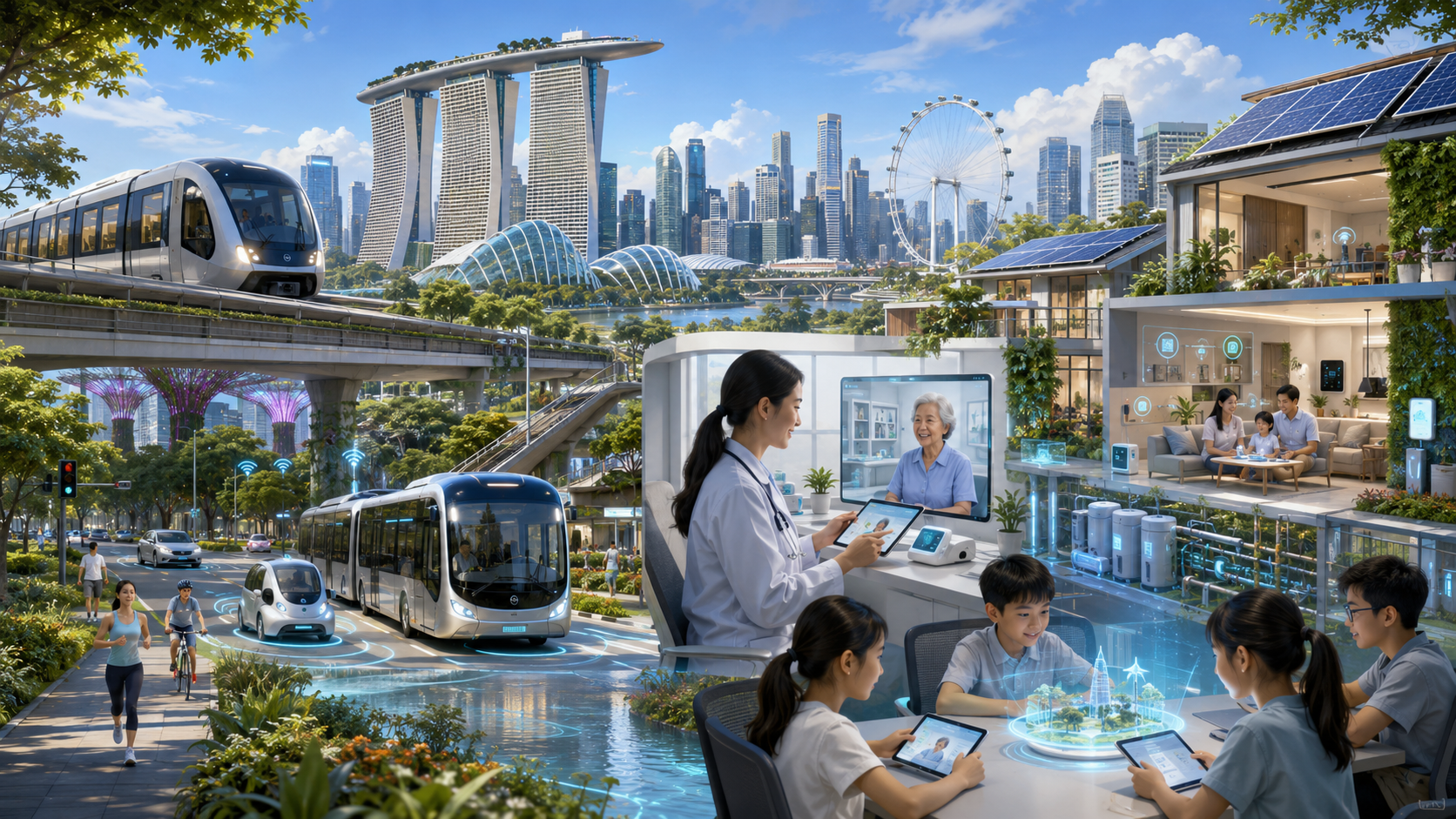
Singapore, often recognized as one of the most technologically advanced nations, has effectively harnessed technology to elevate the quality of life for its citizens. The city-state’s commitment to integrating innovative solutions into urban planning, healthcare, and public services has set a global benchmark for smart living. Technology in Singapore is not merely a tool for convenience; it has become a catalyst for efficiency, accessibility, and sustainability.
One of the most noticeable areas where technology enhances daily life is in urban mobility. Singapore has implemented an extensive network of intelligent transportation systems, including real-time traffic monitoring, predictive analytics, and automated public transport solutions. The Land Transport Authority (LTA) uses data-driven algorithms to optimize bus routes and train schedules, reducing waiting times and easing congestion. Furthermore, ride-hailing apps and e-payment platforms integrate seamlessly with public transit, ensuring smooth commutes for millions of residents. By leveraging technology in transport, Singapore not only improves convenience but also minimizes carbon emissions, contributing to environmental sustainability.
In the healthcare sector, technological innovation has transformed patient care and disease management. Hospitals and clinics across Singapore employ electronic health records (EHRs), telemedicine platforms, and AI-powered diagnostic tools. For instance, AI-driven imaging analysis enables faster and more accurate detection of conditions such as cancer or cardiovascular disease, significantly improving patient outcomes. Additionally, wearable health devices and mobile health apps encourage citizens to monitor their own wellness proactively. This digital approach to healthcare enhances accessibility while reducing the strain on medical infrastructure, ultimately improving the population’s overall well-being.
Smart city initiatives further exemplify how technology impacts everyday life in Singapore. Government agencies have adopted a data-centric approach to urban management, using sensors, IoT devices, and predictive analytics to optimize energy consumption, water supply, and waste management. Housing developments now incorporate smart home technologies, from automated lighting and climate control to intelligent security systems, making daily living safer and more energy-efficient. Residents benefit from improved comfort, reduced costs, and a more environmentally responsible lifestyle.
Education in Singapore has also experienced a digital transformation, fostering a more interactive and personalized learning environment. Classrooms integrate digital platforms, AI-based learning tools, and virtual laboratories to enhance engagement and understanding. Students can access a wealth of online resources, collaborate remotely, and receive real-time feedback from educators. These innovations not only improve academic outcomes but also equip the younger generation with skills essential for the digital economy.
Moreover, Singapore’s adoption of e-governance platforms has simplified administrative processes, allowing citizens to access government services digitally. From paying taxes and renewing licenses to accessing social services, technology has streamlined interactions with public institutions, saving time and reducing bureaucratic hurdles. This digital integration reflects the nation’s vision of an efficient, citizen-focused government that enhances quality of life through convenience and transparency.
In summary, Singapore demonstrates how strategic deployment of technology can profoundly impact urban living, healthcare, education, and governance. By embracing innovation, the nation enhances efficiency, accessibility, and sustainability, setting a powerful example of how technology can elevate the overall quality of life for its residents.