A High-Value Tourism Market Built on Connectivity
Singapore’s tourism industry in 2026 is no longer measured only by visitor numbers. The city-state is increasingly focused on value: higher spending, longer stays, stronger events, and more seamless visitor experiences. Behind that strategy is an ecosystem of companies that connect aviation, hotels, attractions, retail, technology, transport, and business events into one highly organized travel economy.
For updated market performance, industry players commonly refer to the Singapore Tourism Board’s official statistics portal: https://www.stb.gov.sg/statistics-and-market-insights. The data hub is important because it helps businesses track visitor arrivals, tourism receipts, source markets, and recovery trends that influence investment decisions.
Changi Airport Group and Singapore Airlines as the Front Door
Aviation as the First Layer of Tourism Growth
Changi Airport Group remains one of the most important companies supporting Singapore’s visitor economy. As a global transit and destination airport, Changi does more than handle flights. It creates the first impression of Singapore through Jewel Changi Airport, retail zones, dining, efficient immigration flow, and strong airline connectivity.
Singapore Airlines also plays a central role. Its premium positioning supports Singapore’s image as a high-quality destination for business travelers, luxury tourists, and long-haul visitors. In 2026, aviation companies are crucial not only for bringing tourists in, but also for promoting stopover packages, regional connectivity, and multi-city travel involving Southeast Asia.
Hotels, Integrated Resorts, and Lifestyle Precincts
Marina Bay Sands, Resorts World Sentosa, and Global Hotel Chains
Hospitality is another pillar of the tourism ecosystem. Marina Bay Sands and Resorts World Sentosa are not just accommodation providers; they are integrated entertainment zones combining hotels, restaurants, luxury retail, gaming, conventions, and attractions. These companies help Singapore attract high-spending leisure travelers and corporate delegates.
International hotel groups such as Accor, Hilton, Marriott, and IHG also support the sector by serving different traveler segments, from family tourists to executives and digital professionals. Their loyalty programs help Singapore remain visible in global travel planning platforms.
Attractions That Extend Visitor Spending
Mandai, Sentosa, Gardens by the Bay, and Urban Leisure
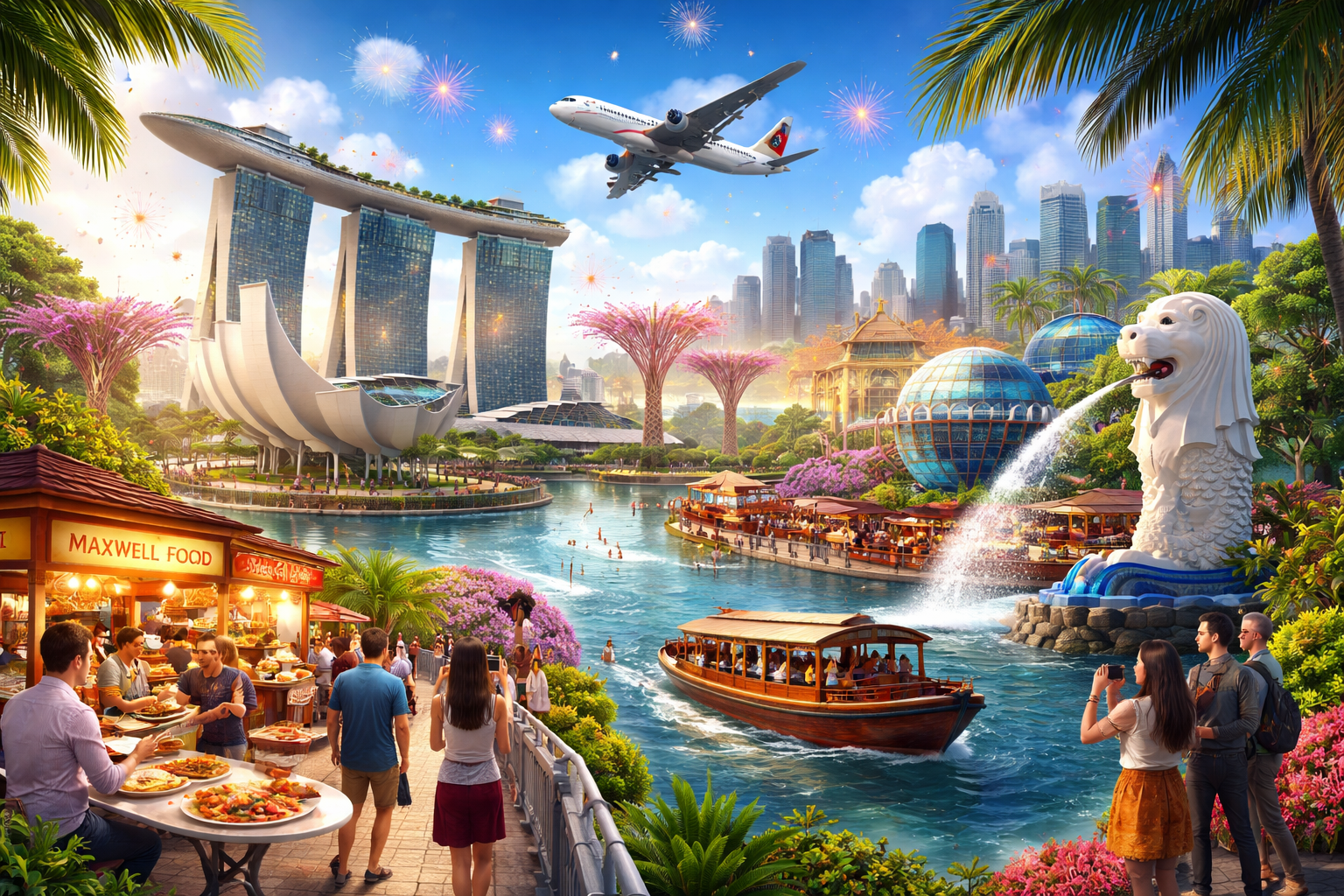
Singapore’s attractions are designed to keep the destination compact but experience-rich. Mandai Wildlife Group, Gardens by the Bay, Sentosa Development Corporation, and operators within Marina Bay contribute to Singapore’s ability to offer nature, entertainment, dining, and cultural experiences within a short travel radius.
The opening of newer nature-based and lifestyle experiences, including developments around Mandai, shows how Singapore is repositioning itself beyond shopping and city tours. The real case is clear: modern tourists want memorable, photographable, and educational experiences. Singapore’s tourism companies are responding by packaging sustainability, family travel, and premium leisure into marketable products.
Transport, Tech, and MICE Companies Complete the Ecosystem
Seamless Mobility and Event-Led Demand
SMRT, SBS Transit, ComfortDelGro, Grab, and private tour operators help make the visitor journey efficient. Their role is often underestimated, but transport reliability is a major reason Singapore works well for short-stay tourists and business delegates.
The MICE sector is equally important. Venues such as Singapore EXPO, Suntec Singapore, and Sands Expo and Convention Centre support conferences, trade shows, and corporate events that bring in high-value visitors. These travelers often spend more on hotels, dining, entertainment, and retail than standard leisure tourists.
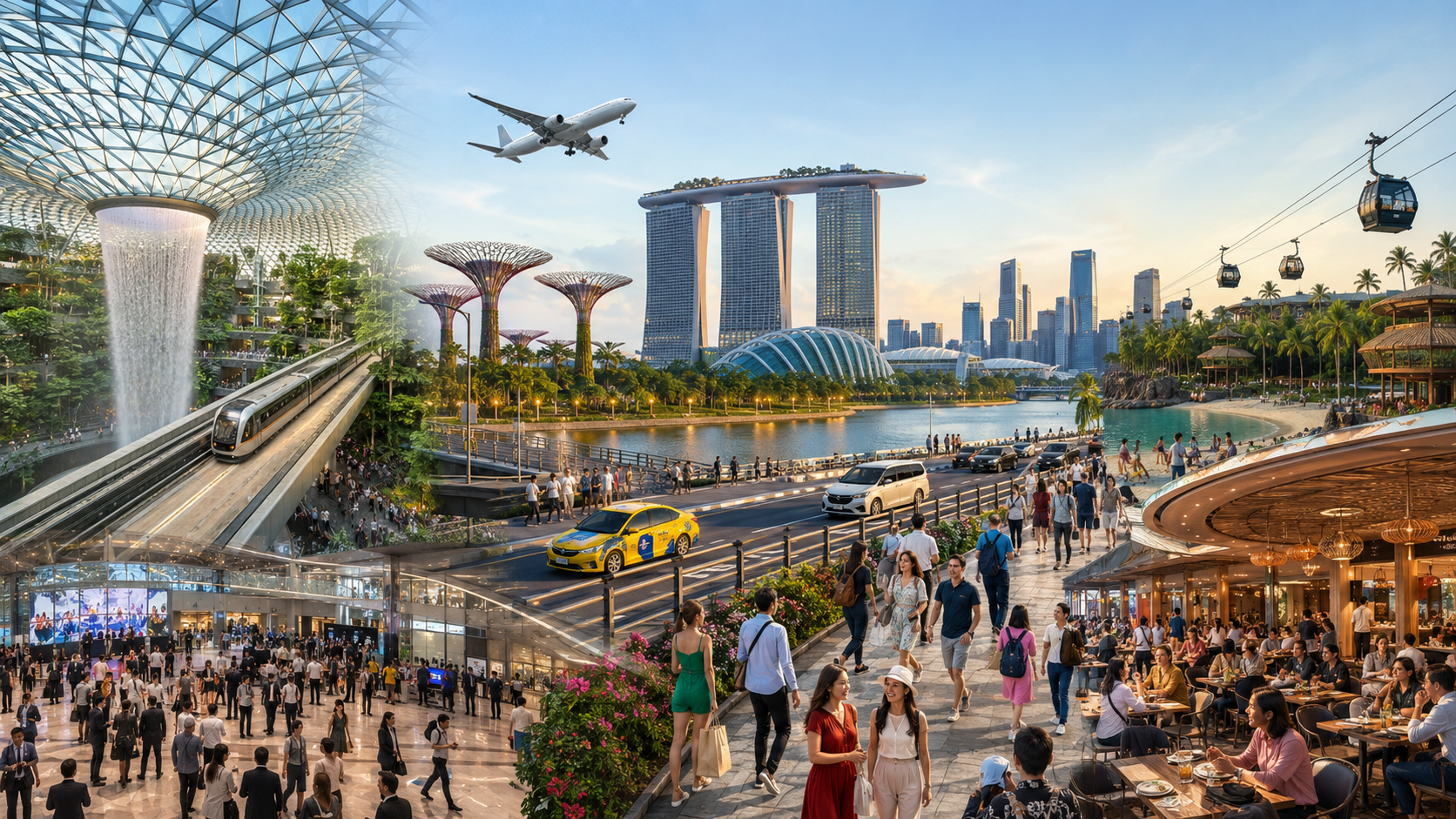
In 2026, Singapore’s tourism strength lies in coordination. Airlines bring visitors in, hotels keep them spending, attractions shape their memories, transport companies move them smoothly, and event venues create repeat demand. The companies behind this ecosystem are not operating separately; they are part of a national tourism machine built for premium, resilient, and experience-driven growth.