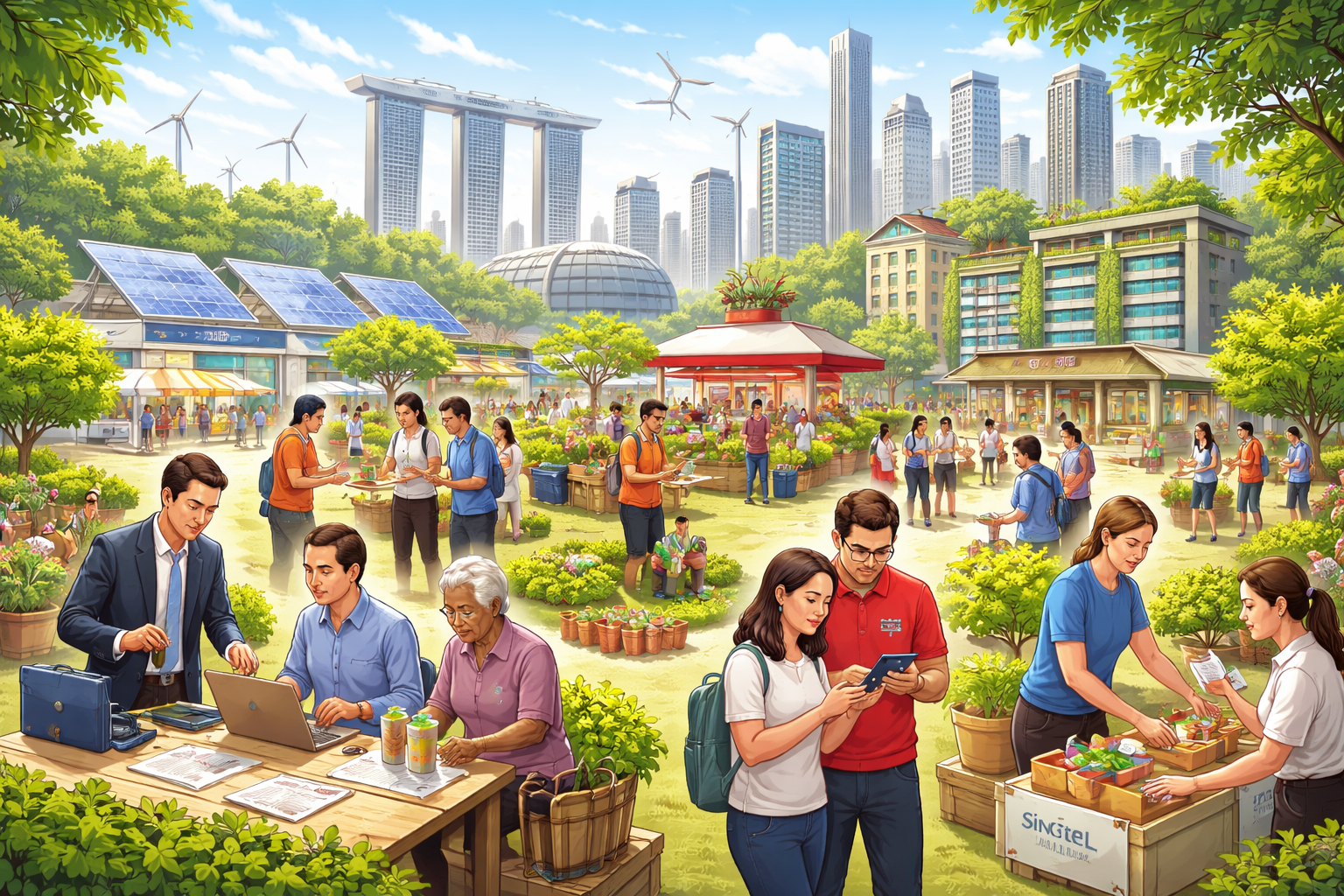
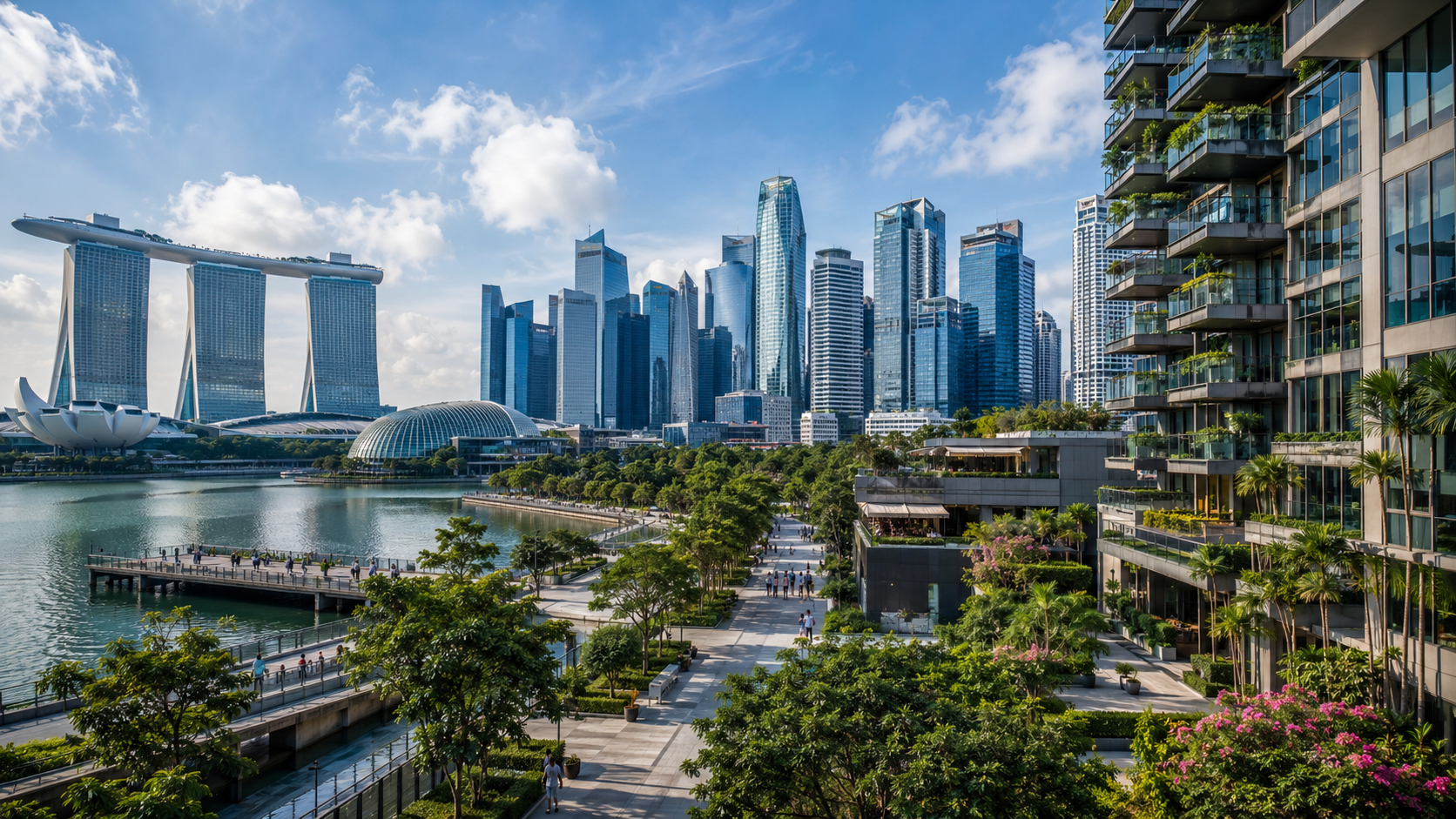
Singapore’s property sector has become one of Asia’s most advanced examples of how real estate companies can combine economic growth, urban planning, and sustainability. Leading Singapore property companies are no longer focused only on constructing residential towers or commercial buildings. They are increasingly developing integrated communities that combine technology, environmental responsibility, and long-term investment value.
The city-state’s limited land availability has created a unique environment where property developers must maximize every square meter. Companies such as CapitaLand, City Developments Limited (CDL), and UOL Group have played major roles in creating mixed-use developments that support Singapore’s vision as a global business and lifestyle hub.
The Evolution of Singapore’s Real Estate Development Model
Unlike many major cities where expansion occurs through suburban growth, Singapore’s real estate strategy relies heavily on urban intensification. Property firms work closely with government agencies to create developments that integrate housing, retail, transportation, and public spaces.
CapitaLand, one of Singapore’s largest real estate groups, has expanded its portfolio across residential, commercial, logistics, and digital infrastructure sectors. Its projects demonstrate how modern property companies are diversifying beyond traditional real estate ownership into asset management and global investment platforms.
According to Singapore’s Urban Redevelopment Authority (URA), official private residential property statistics continue to provide key insights into market performance and price trends. Investors and businesses can access updated information through the URA official property market resources:
https://www.ura.gov.sg/Corporate/Property/Property-Data
Sustainability Becomes a Competitive Advantage
Environmental development has become a defining factor in Singapore’s property industry. Developers are increasingly incorporating green building technologies, energy-efficient systems, and environmentally friendly materials.
The Singapore Green Building Masterplan has encouraged the property sector to improve building performance and reduce carbon emissions. As sustainability requirements become stronger, companies that invest in green innovation are gaining stronger positioning among international investors.
For example, many new commercial developments now include smart energy management systems, rooftop greenery, and digital monitoring platforms. These features are not only environmentally beneficial but also increase asset value by reducing operational costs.
Technology and Smart Urban Investment
Singapore property companies are also adopting digital transformation strategies. Artificial intelligence, data analytics, and smart building systems are becoming important tools for managing properties and understanding consumer behavior.
A modern office building in Singapore is increasingly viewed as a technology ecosystem rather than simply a physical workplace. Developers are creating flexible spaces designed for hybrid working patterns, multinational corporations, and changing lifestyle demands.
This approach strengthens Singapore’s position as a regional headquarters destination for global companies. Real estate investment is therefore connected directly with economic competitiveness.
International Investors and Singapore’s Property Appeal
Singapore remains attractive to international investors because of its political stability, strong legal framework, and strategic location in Southeast Asia. Property companies benefit from demand generated by multinational corporations, wealthy investors, and regional business expansion.
However, the market also faces challenges, including affordability concerns, regulatory measures, and rising construction costs. Government policies such as additional buyer’s stamp duty adjustments demonstrate Singapore’s effort to balance investment demand with housing accessibility.
The future of Singapore’s property industry will depend on how companies adapt to demographic changes, sustainability expectations, and global economic uncertainty. Developers that successfully combine innovation, responsible investment, and urban efficiency are likely to maintain a strong position in the evolving real estate landscape.