In the intricate ballet of global commerce, where a delay in Shanghai can empty shelves in San Francisco, the role of the logistics provider has evolved from mere transportation to strategic orchestration. Nowhere is this more evident than in Singapore, a city-state that has transformed its geographical fortune into a logistical empire. The island nation’s logistics companies are not just moving boxes; they are the central nervous system of international supply chains, mitigating risks and ensuring the fluidity of capital.
The Strategic Advantage of the Malacca Strait
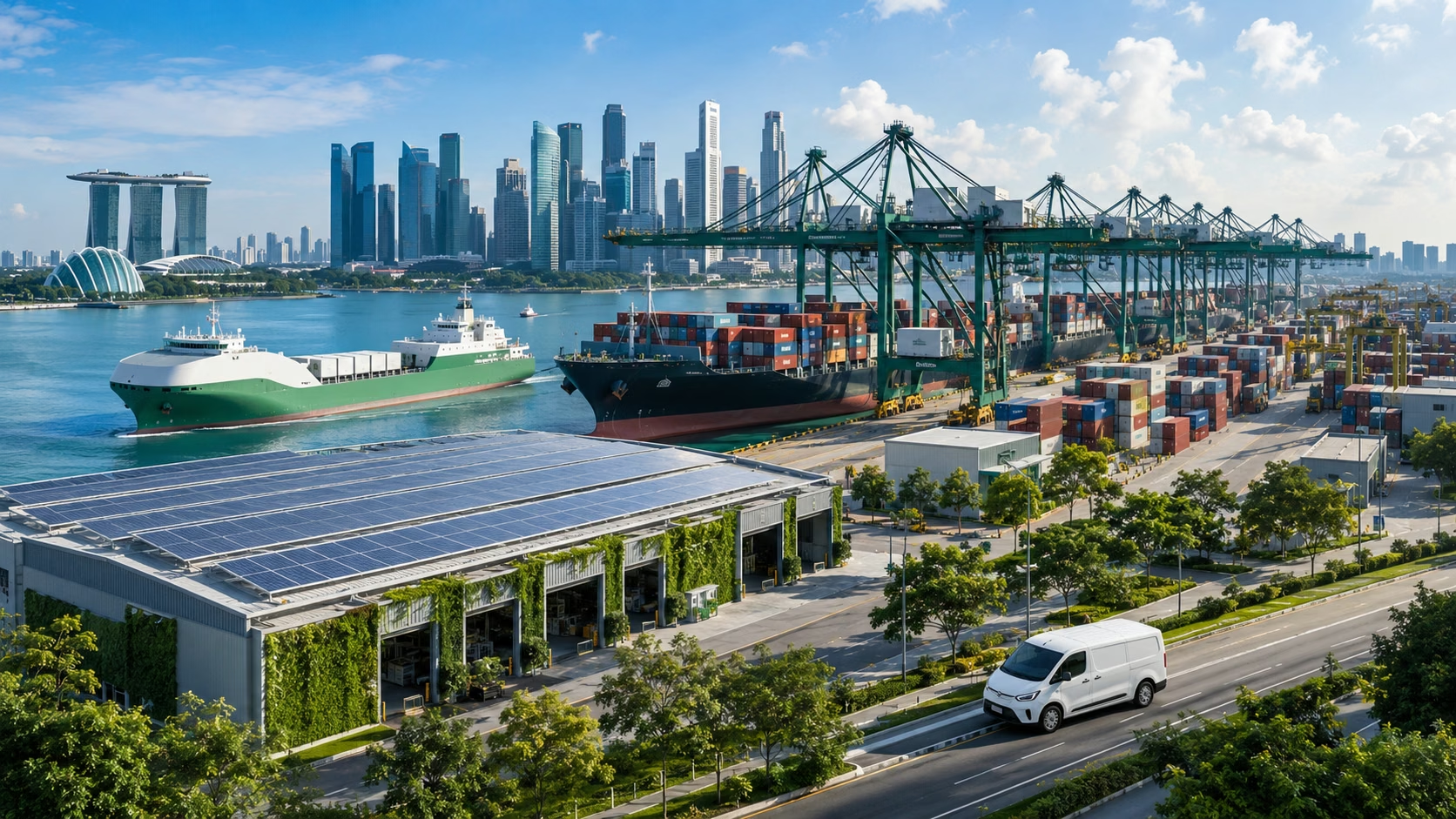
Singapore’s dominance begins with geography. Situated at the southern tip of the Malay Peninsula, it commands the Strait of Malacca, a chokepoint through which nearly one-third of the world’s traded goods pass. However, the success of Singaporean logistics firms is not merely a product of luck. It is a calculated synergy between state policy and private enterprise. Companies like PSA International have invested heavily in automation, turning the Tuas Mega Port into a paragon of efficiency where human error is minimized, and turnaround time is measured in seconds rather than hours.
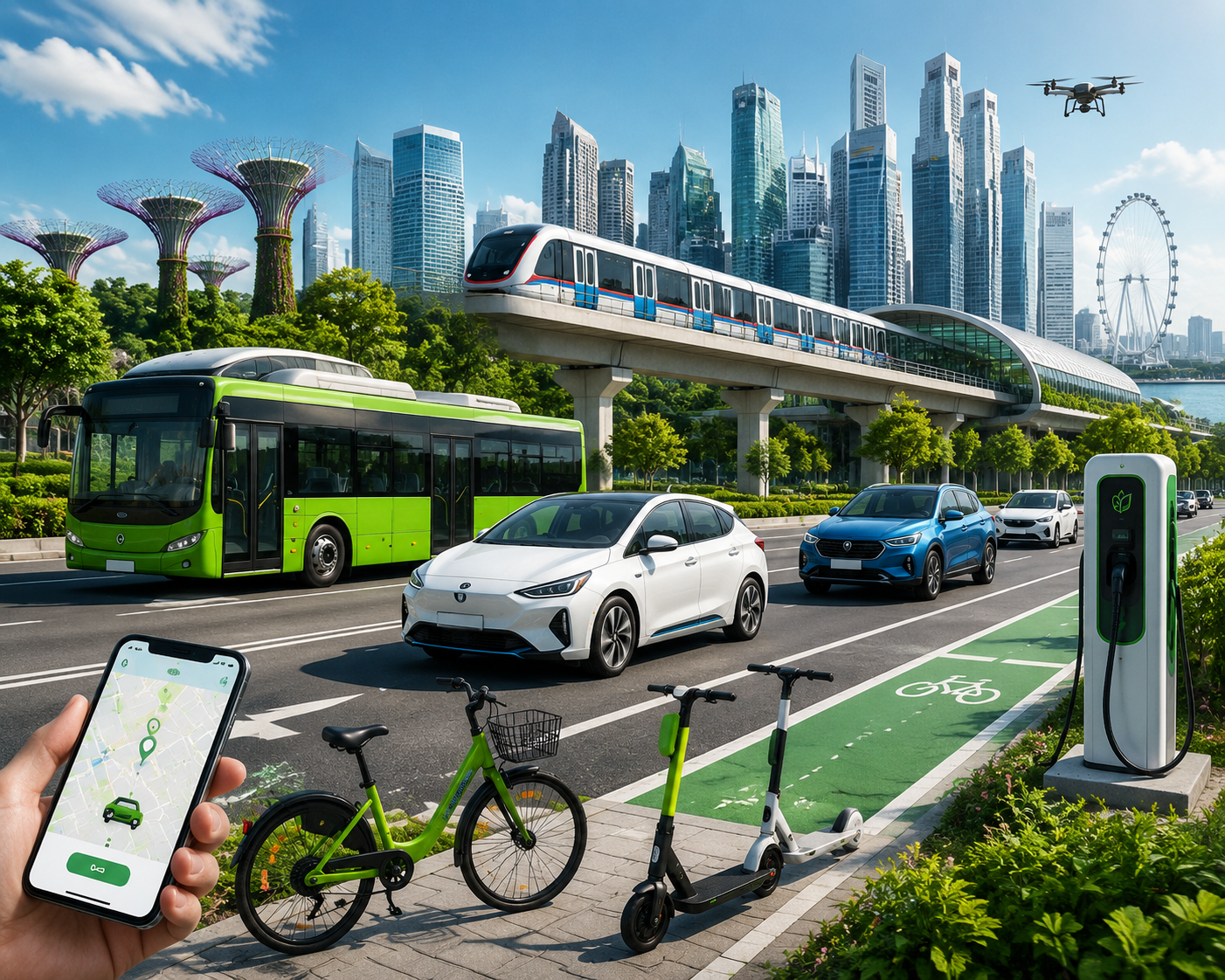
This infrastructural superiority allows Singaporean companies to offer what competitors cannot: reliability. In an era where “just-in-time” manufacturing has given way to “just-in-case” inventory management, shippers are willing to pay a premium for certainty. Singapore’s logistics players provide this by integrating air, sea, and land freight into a seamless digital tapestry.
Digitalization and the “Invisible” Supply Chain
The modern logistics provider in Singapore is often a technology company that happens to own warehouses and trucks. The adoption of blockchain for customs clearance and AI for route optimization has turned the sector into a high-tech industry.
Take, for example, the handling of temperature-sensitive pharmaceuticals. Singaporean logistics firms have mastered the “cold chain” to such a degree that the country is now a preferred transshipment hub for vaccines and biologics. The precision required here—maintaining temperatures within a fraction of a degree across continents—demonstrates the high-value expertise that has moved Singapore beyond low-margin freight forwarding.
Resilience in a Fractured World
Recent geopolitical tensions and pandemic-induced lockdowns have exposed the fragility of linear supply chains. The response from Singapore’s logistics sector has been to advocate for diversification. Singapore-based analysts note that the city-state’s logistics providers are actively helping multinational corporations establish a “China Plus One” strategy, using Singapore as the neutral control tower for manufacturing spread across Vietnam, India, and Indonesia.
This strategic positioning is supported by data indicating a surge in regional warehousing demand. According to a 2026 report by the Singapore Logistics Association, investment in regional distribution centers has increased by 15% year-on-year, solidifying the country’s role as the command center for Southeast Asian commerce.
Navigating the Future
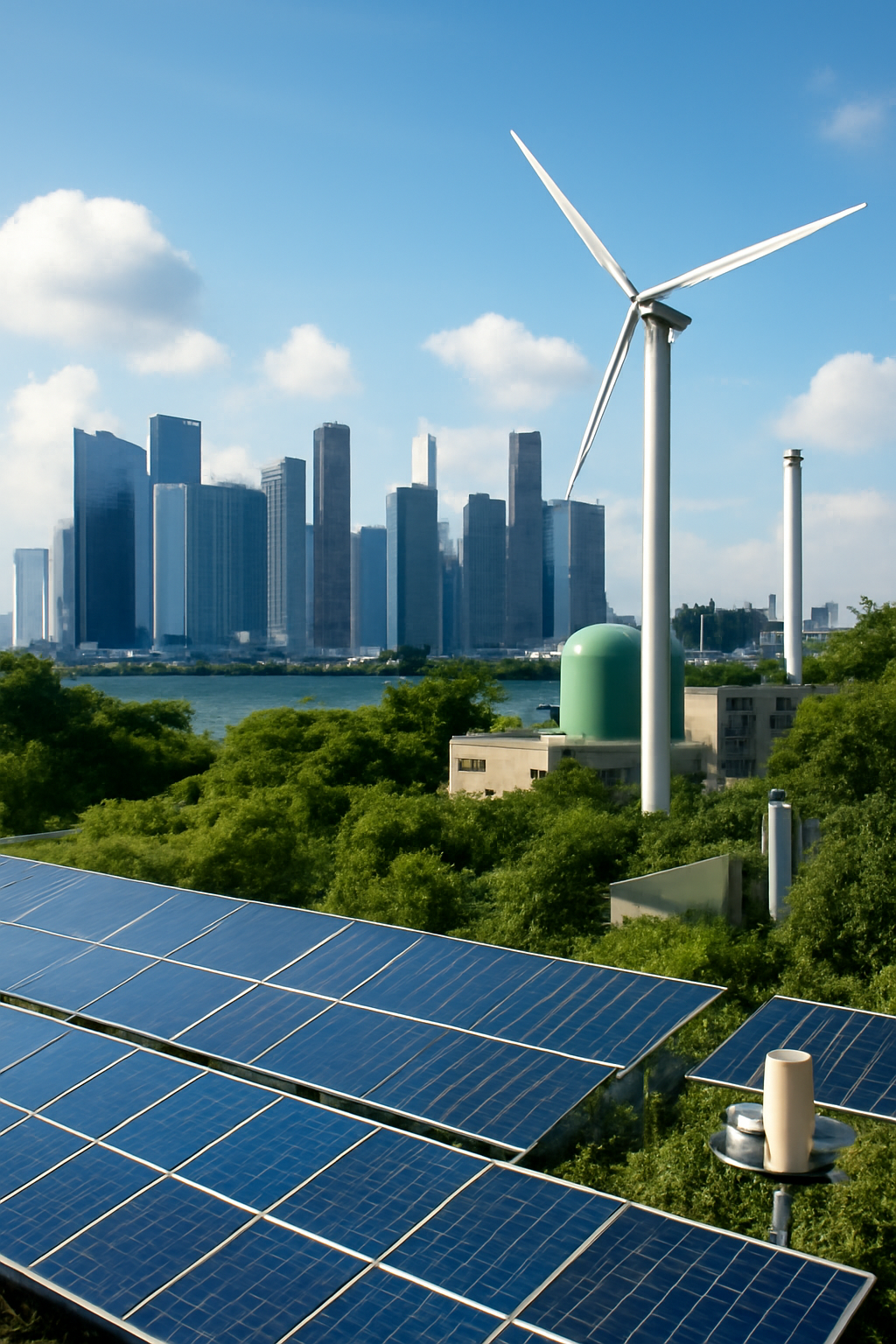
As the industry looks toward the remainder of the decade, the focus remains on sustainability and resilience. Singaporean logistics firms are pioneering green shipping corridors and investing in alternative fuels. By doing so, they are not just adapting to the future; they are defining it, ensuring that the nation remains the indispensable middleman of the global economy.