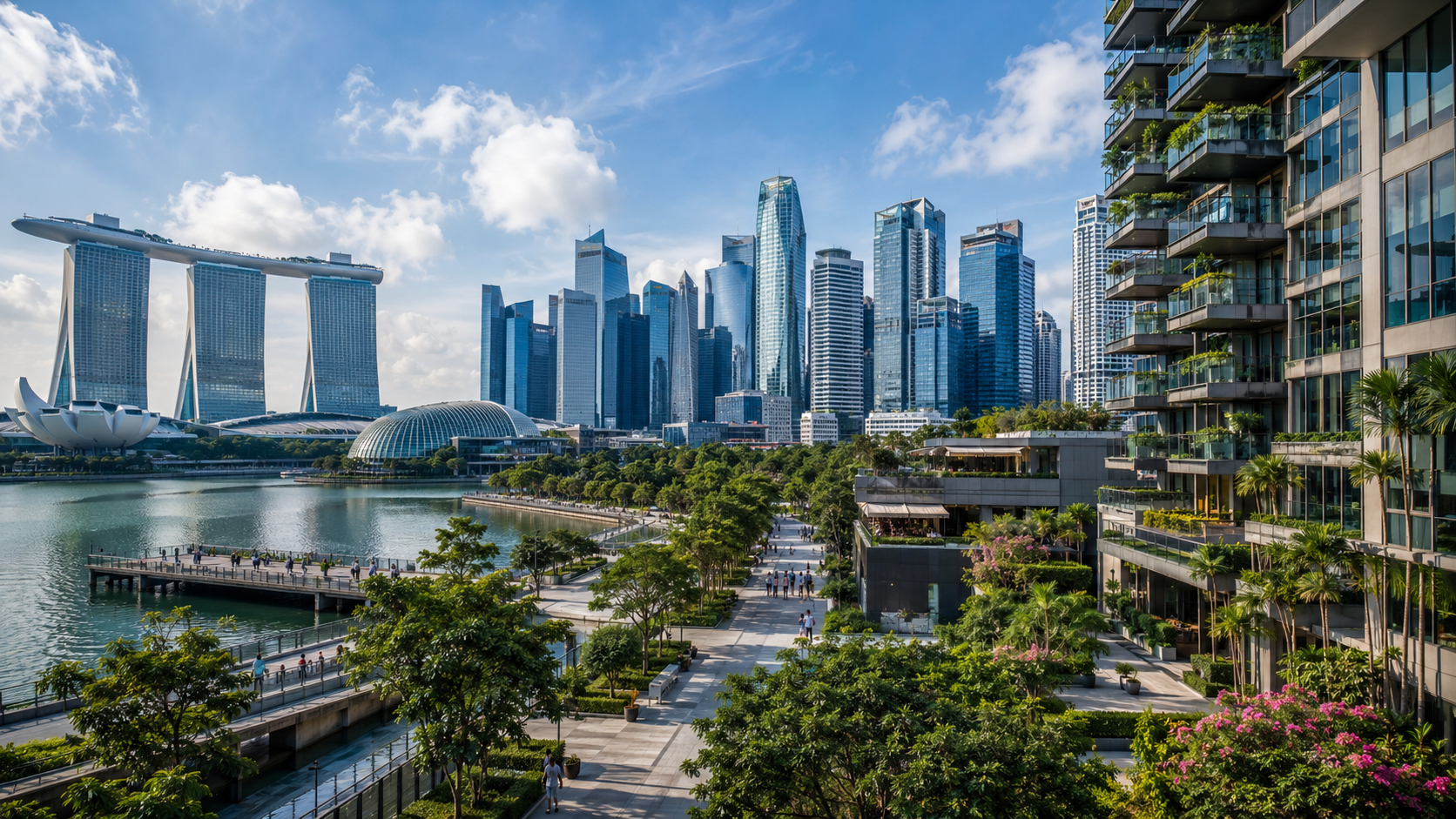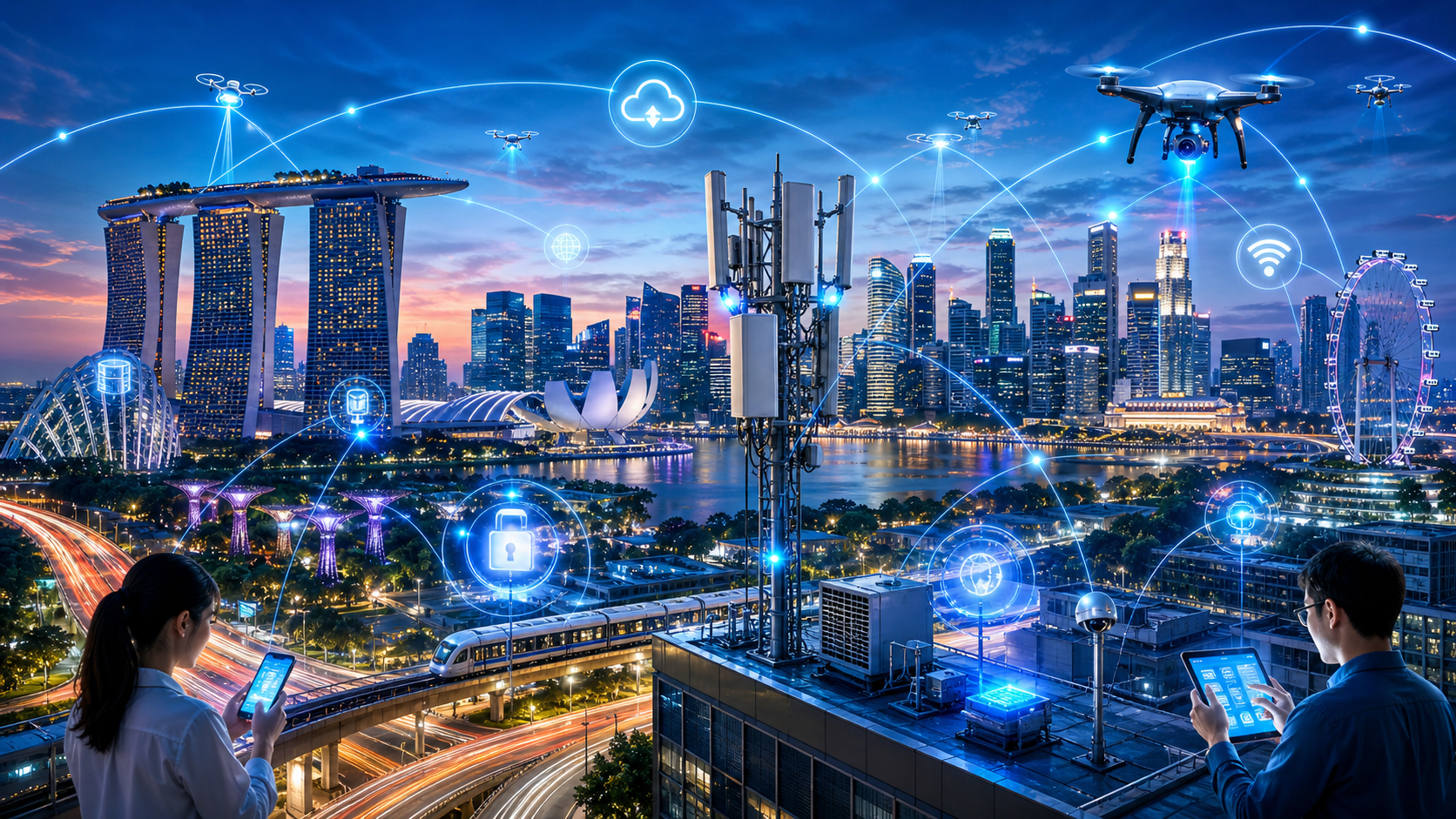
Singapore’s shift from traditional green screens to immersive LED volumes marks a pivotal evolution in Southeast Asian filmmaking. The local industry is no longer just a hub for post-production; it is now a testing ground for the convergence of gaming technology and cinematic storytelling. Driven by the need to create high-value content without the logistical nightmares of international travel, production houses are investing heavily in virtual production (VP). This methodology allows filmmakers to capture complex visual effects in-camera, significantly reducing the time spent in post-production suites. This technological pivot is not merely a trend but a strategic economic decision to attract global streaming giants looking for efficient, high-tech shooting locations in Asia.
The Mechanics of In-Camera VFX
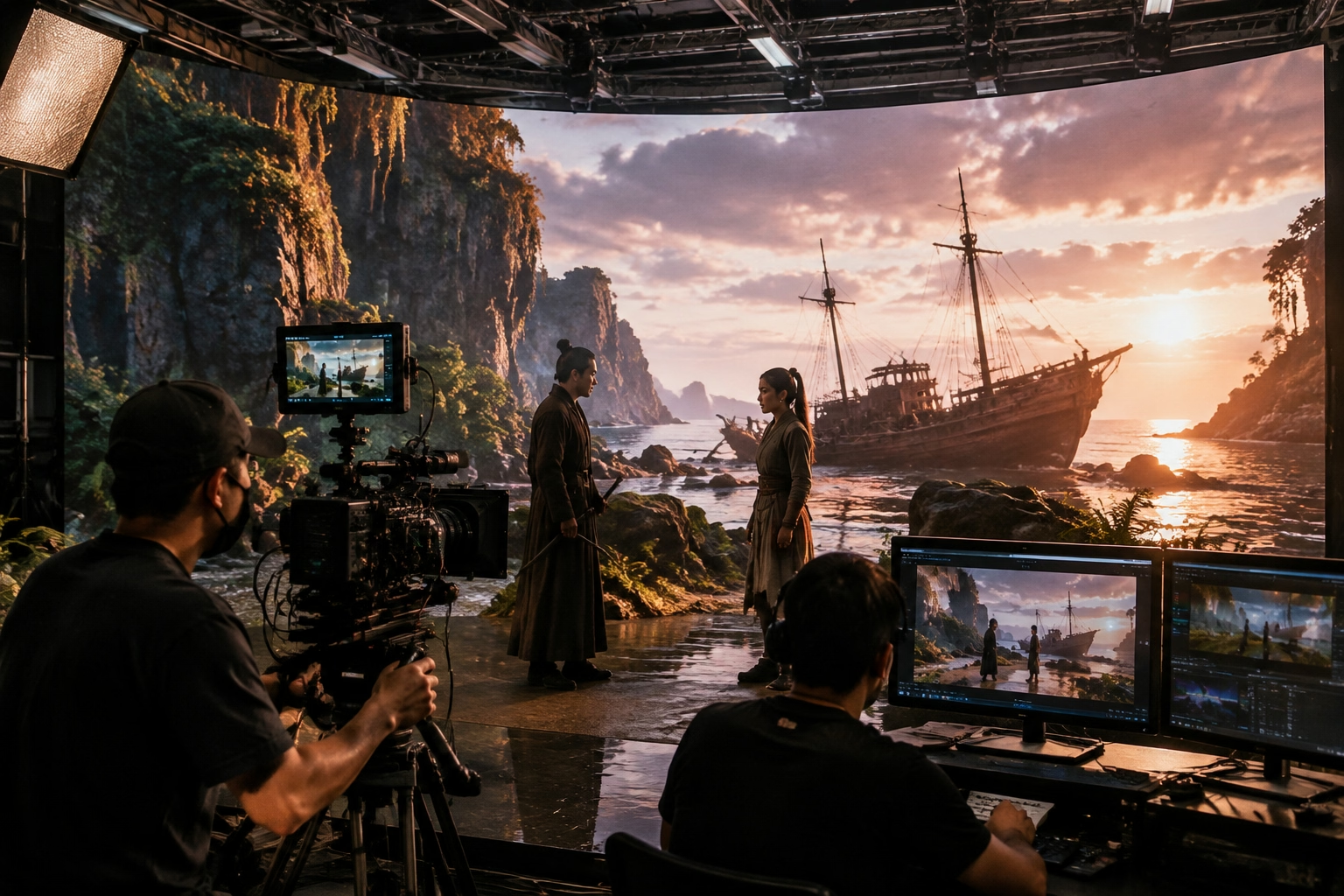
The backbone of this transformation lies in the integration of game engines like Unreal Engine with massive LED walls. Unlike traditional green screens, which cast problematic green spill onto actors and require extensive rotoscoping, LED volumes provide accurate lighting and reflections in real-time. This allows actors to physically see the fantasy world they are supposed to be inhabiting, resulting in more authentic performances. For producers, this means the cost of lighting and set construction drops, as the virtual environment moves with the camera’s parallax, creating a seamless illusion of depth. Singapore’s technical talent, well-versed in both IT and animation, is uniquely positioned to manage these complex pipelines.
Attracting Global Streaming Giants
International platforms are increasingly viewing Singapore as a one-stop-shop for high-end series production. The availability of state-of-the-art soundstages, coupled with generous government incentives, has made the city-state a magnet for projects that previously would have gone to Australia or the UK. By offering a stable political climate and robust intellectual property protections, Singapore de-risks the investment for Hollywood studios. According to the Infocomm Media Development Authority (IMDA), the focus on “FutureCape” technologies is designed to future-proof the workforce and infrastructure. The current data from IMDA’s Sector Transformation highlights ongoing grants aimed at upskilling local crews in these next-generation production techniques, ensuring the industry remains competitive globally.
Real-Time Rendering and Efficiency
The financial implications of real-time rendering are profound. A director can change the time of day—from noon to sunset—with a few clicks rather than waiting hours for lighting rigs to be adjusted. This agility compresses shooting schedules, a critical factor when dealing with A-list talent who have limited availability. Furthermore, the assets created for the LED wall can be reused in marketing materials or video game tie-ins, extending the value of the initial investment. This synergy between the media and gaming sectors is creating a new class of hybrid creatives in Singapore who are proficient in both visual effects and interactive design.